Unique Methods
Main Lesson Books
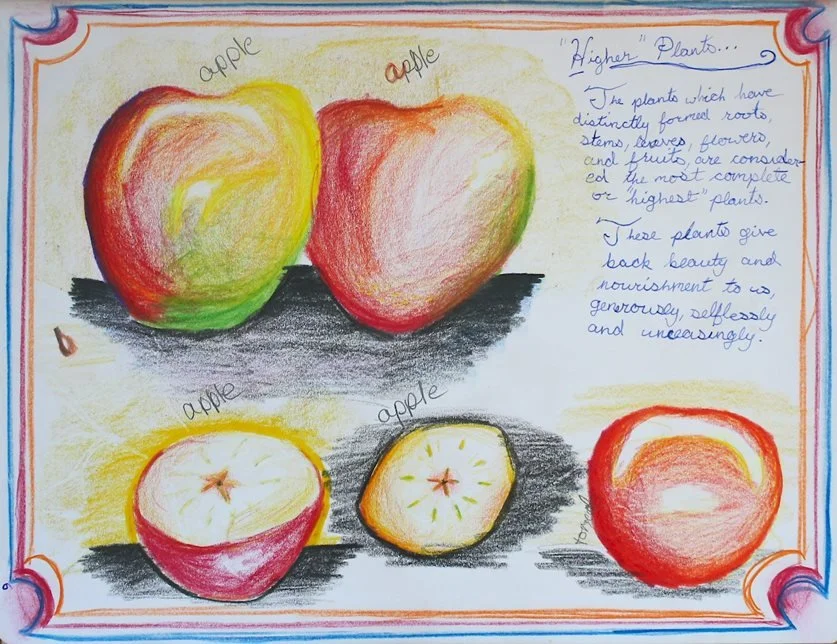
Instead of using text books as primary teaching tools, the children create their own main lesson books, complete comprehensive projects, hands on activities and creatively present what they learned. The art is seamlessly interwoven into the curriculum, something that makes these books shine.
Check out this example from The Washington Waldorf School
Farm-to-Table
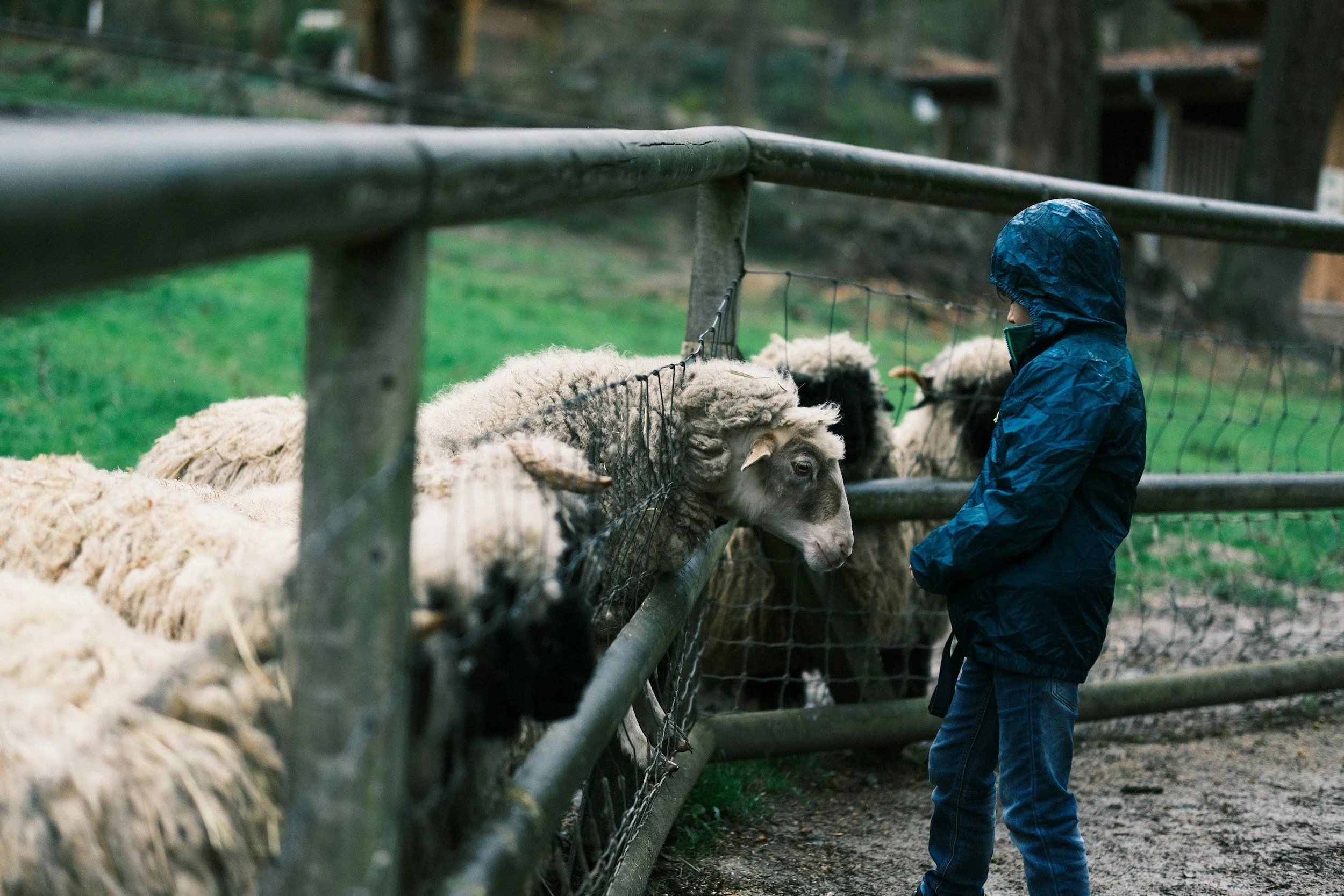
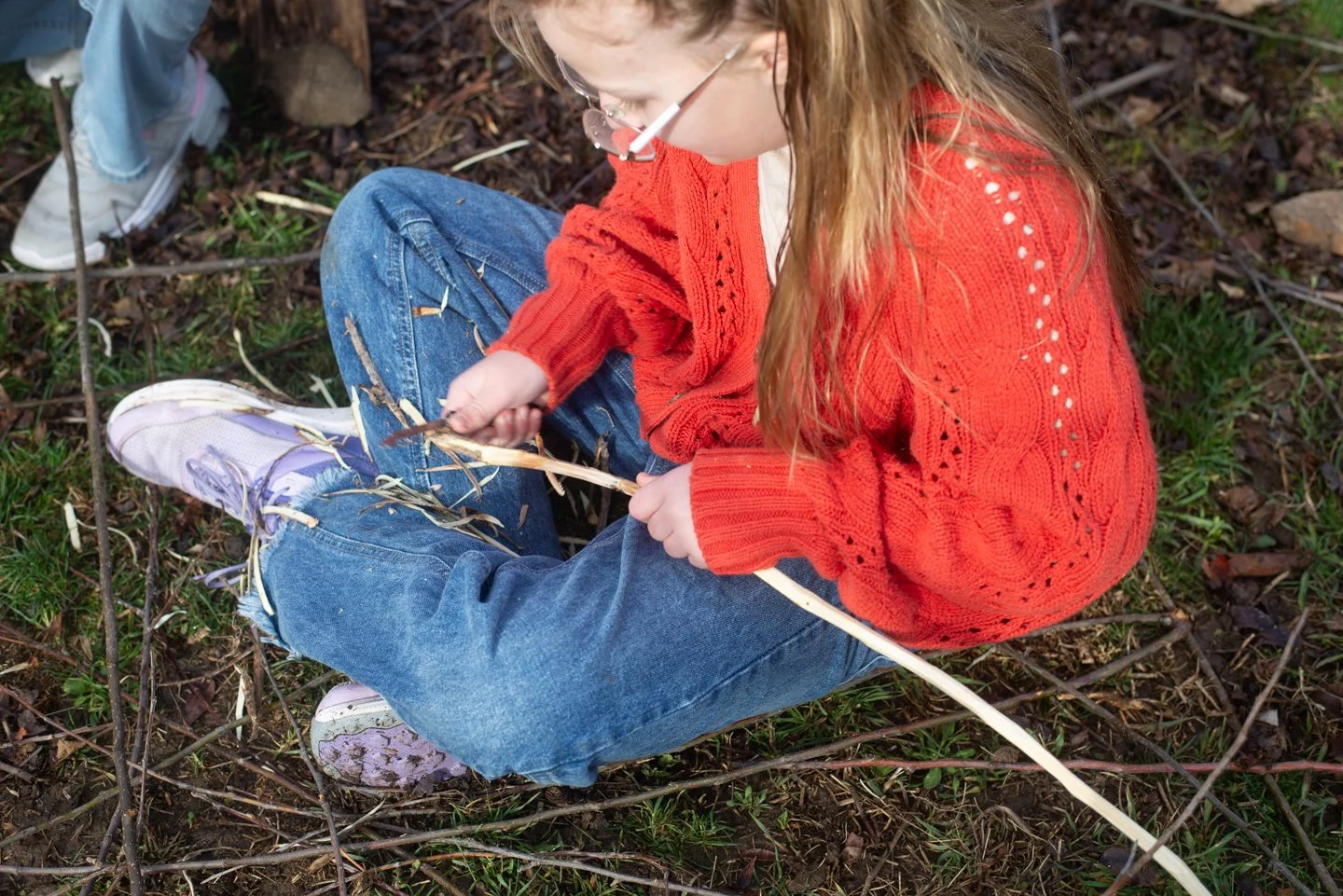
Our Farm-to-Table program is the heart of our co-curricular experience, weaving together Farm & Garden, Fiber Arts, and Cooking. Students might weave with wool they helped shear, create natural dyes from marigolds, or prepare a wholesome omelet to share with classmates. These real-world experiences make learning tangible, purposeful, and memorable.
In an increasingly digital world, this work offers an essential sense of grounding. By participating in the full cycle of farm-to-table stewardship, from feeding chickens to harvesting vegetables and preparing food, children gain a real understanding of the time, patience, and care required to produce something as simple as a carrot or egg. This naturally fosters gratitude and reduces food waste.
Daily farm responsibilities also build reliability and responsibility. Animals must be fed and gardens tended regardless of mood, helping children develop perseverance and a sense of contribution to their community.
Growing and cooking their own food encourages children to try new ingredients and choose nourishing meals. Through composting and returning nutrients to the soil, students also develop environmental literacy, learning firsthand about the cycles that sustain the earth.
These living classrooms help children see themselves not simply as consumers, but as capable stewards who can care for and sustain the world around them.
Service
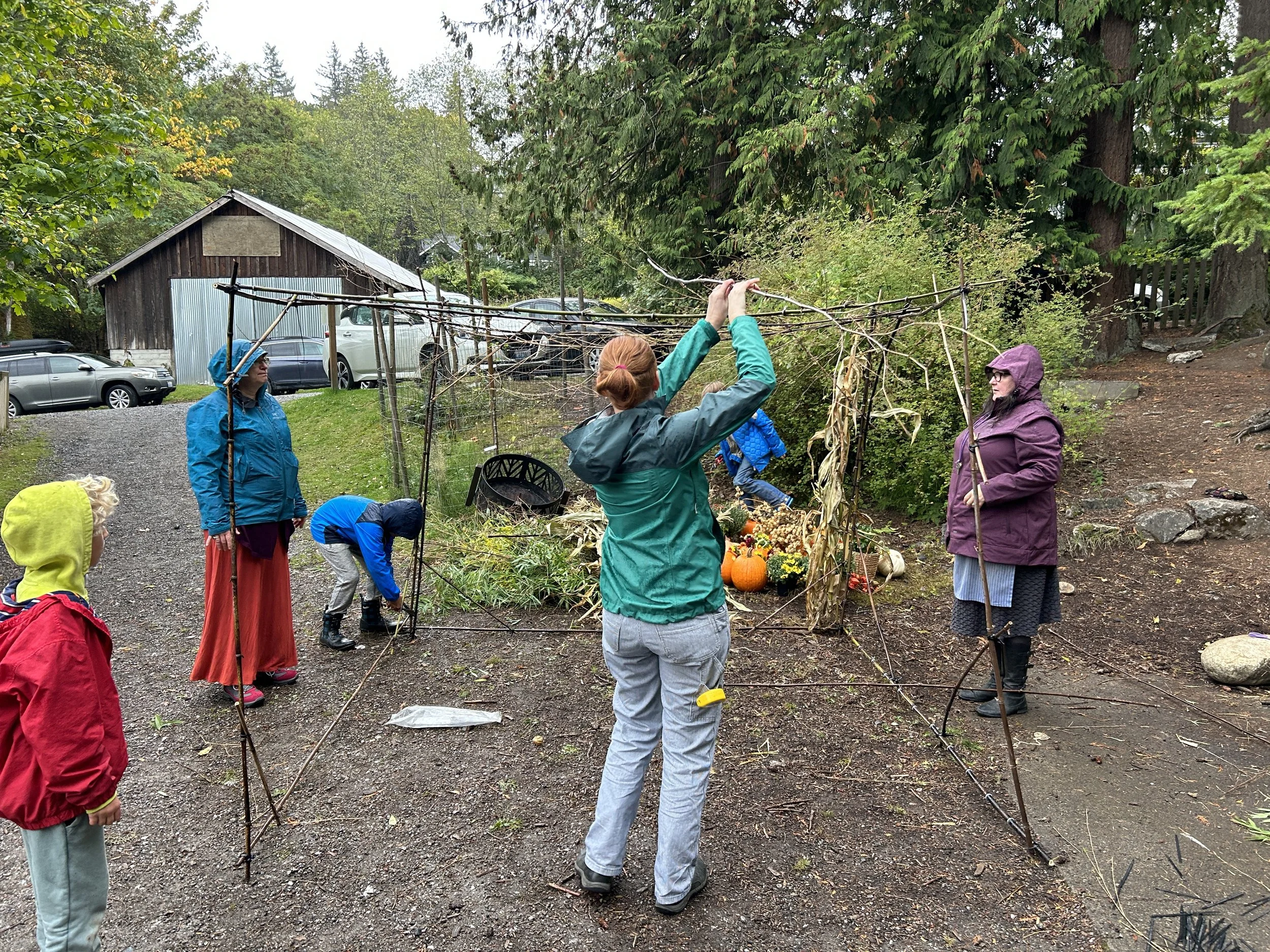
Service and volunteering are an essential part of our school community, helping weave the social fabric that connects families, students, and teachers. When children and adults work side by side; whether caring for a local park, supporting school events, or improving shared spaces, they build trust, strengthen relationships, and experience the power of working toward a common purpose.
For students, service fosters a strong sense of agency and compassion. They see firsthand that their efforts can make a real difference, transforming them from passive observers into engaged, caring members of their community.
Service projects also nurture important life skills. Working together on hands-on tasks such as organizing, gardening, or building develops practical abilities, perseverance, and teamwork. Just as importantly, stepping outside their own routines helps students grow in empathy and awareness of the needs of others.
At our school, the entire community participates in service throughout the year from volunteering on committees and supporting classrooms to sharing skills through extracurricular activities. Together, we model for our children the joy and responsibility of caring for the community we share.
Eurythmy
Over time, students develop greater concentration, resilience, and a sense of harmony in their bodies; skills that support academic learning, creativity, and well-being.
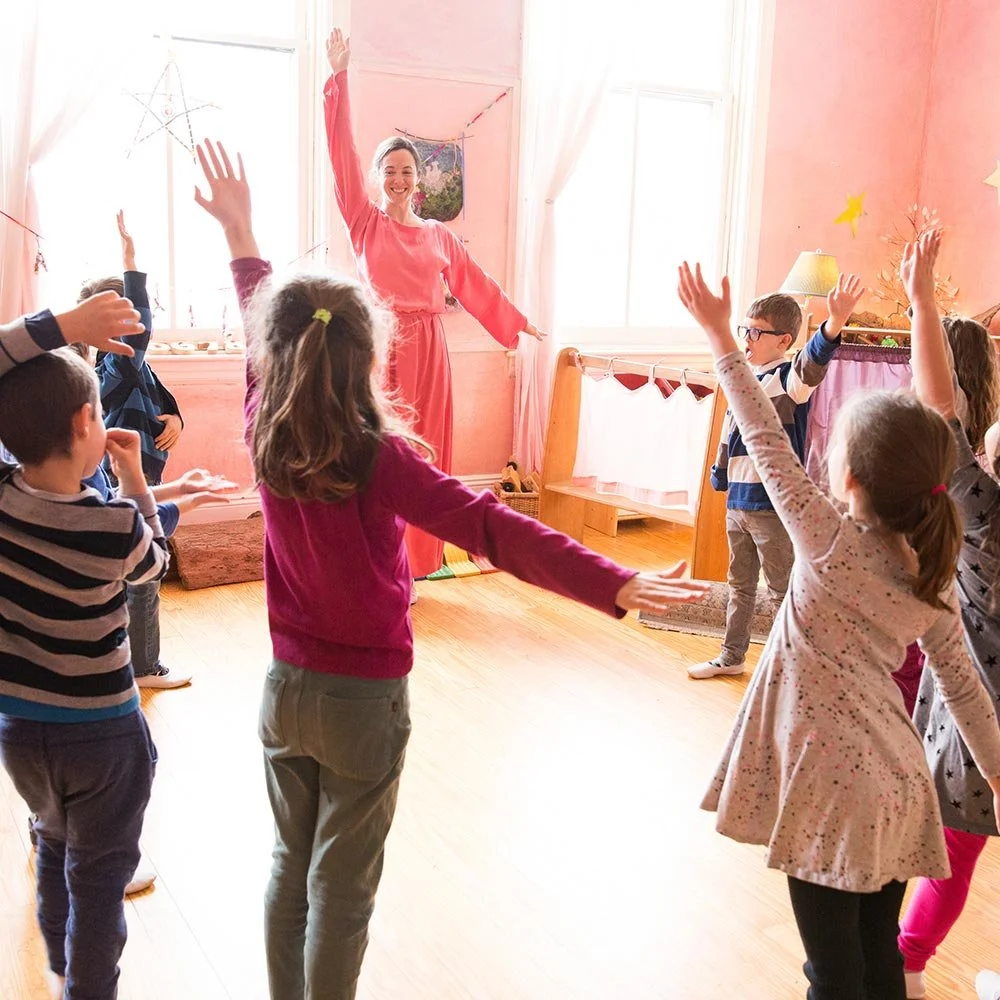
Eurythmy is a movement art in which children use expressive gestures and move together in simple geometric patterns such as circles or spirals. Through these movements, students embody the rhythms of language and the intervals of music, bringing sound and meaning into physical form.
In Eurythmy, the brain translates sounds and rhythms into coordinated, graceful movement. This strengthens proprioception (the body’s sense of where it is in space) and builds important neural pathways that support coordination, focus, and learning. Unlike spontaneous movement, Eurythmy is intentional and inwardly guided, helping children develop body awareness and control.
Because Eurythmy (like yoga) is rooted in rhythm, similar to breathing or the heartbeat, it also supports the nervous system. These rhythmic movements can improve resilience, support integration between the brain’s hemispheres, and help children regulate their senses and emotions.
Through regular practice, Eurythmy helps children develop balance, attentiveness, and a calm, responsive nervous system; skills that support both academic learning and overall well-being.
Handwork
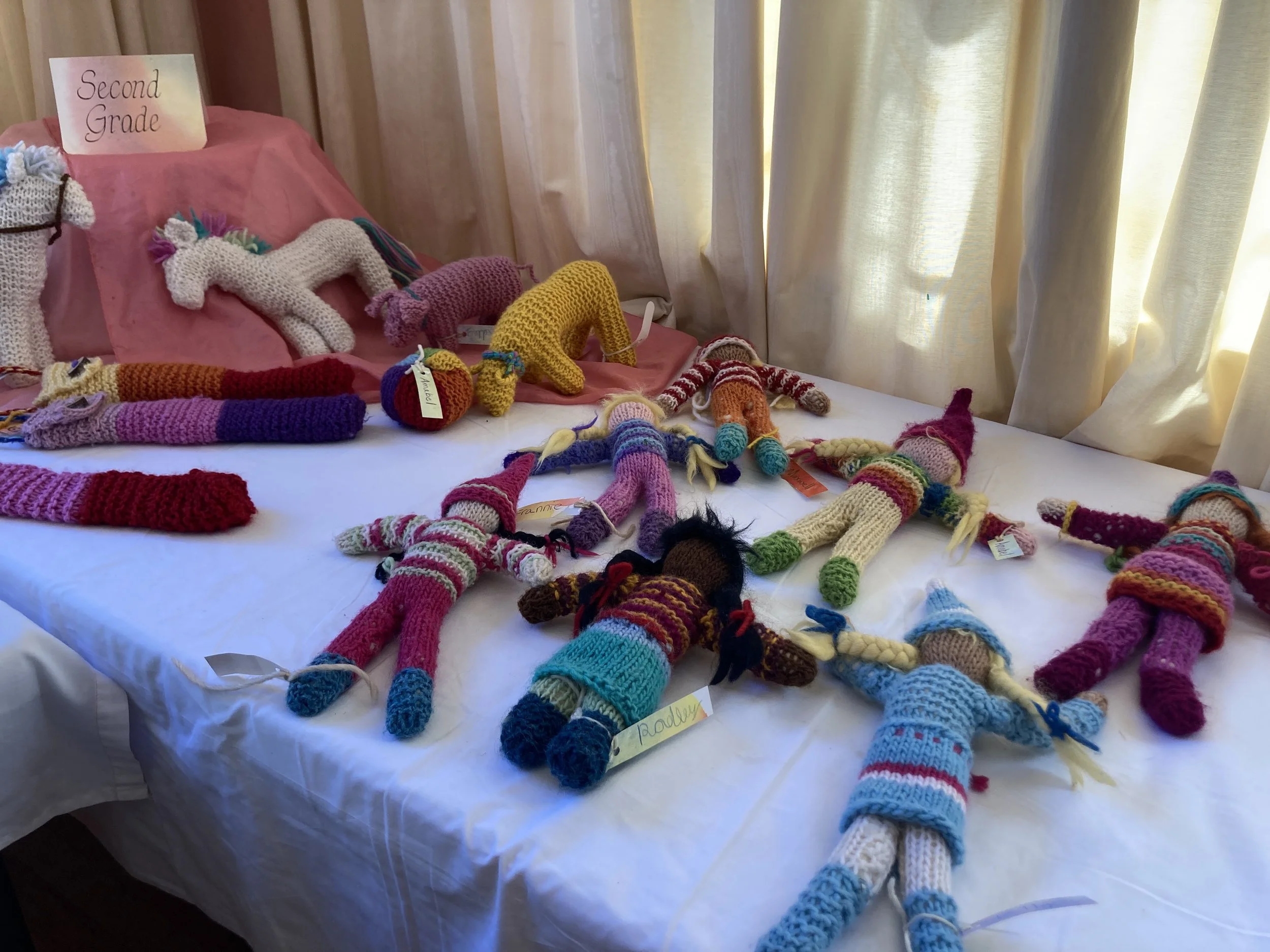
Handwork directly supports brain development. Fine motor skills, hand-eye coordination, and bilateral movement strengthen neural pathways connected to focus, memory, language, and mathematical thinking.
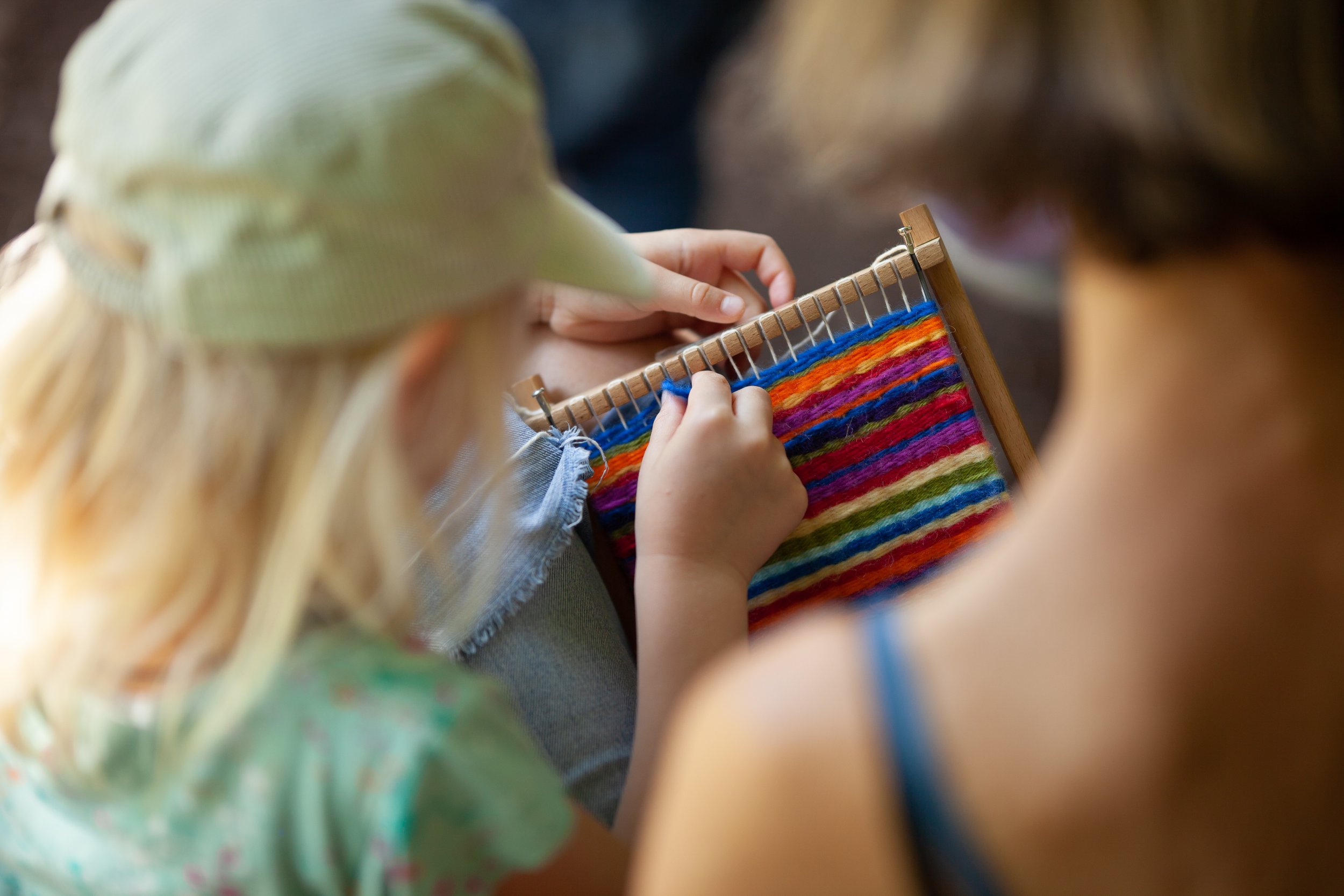
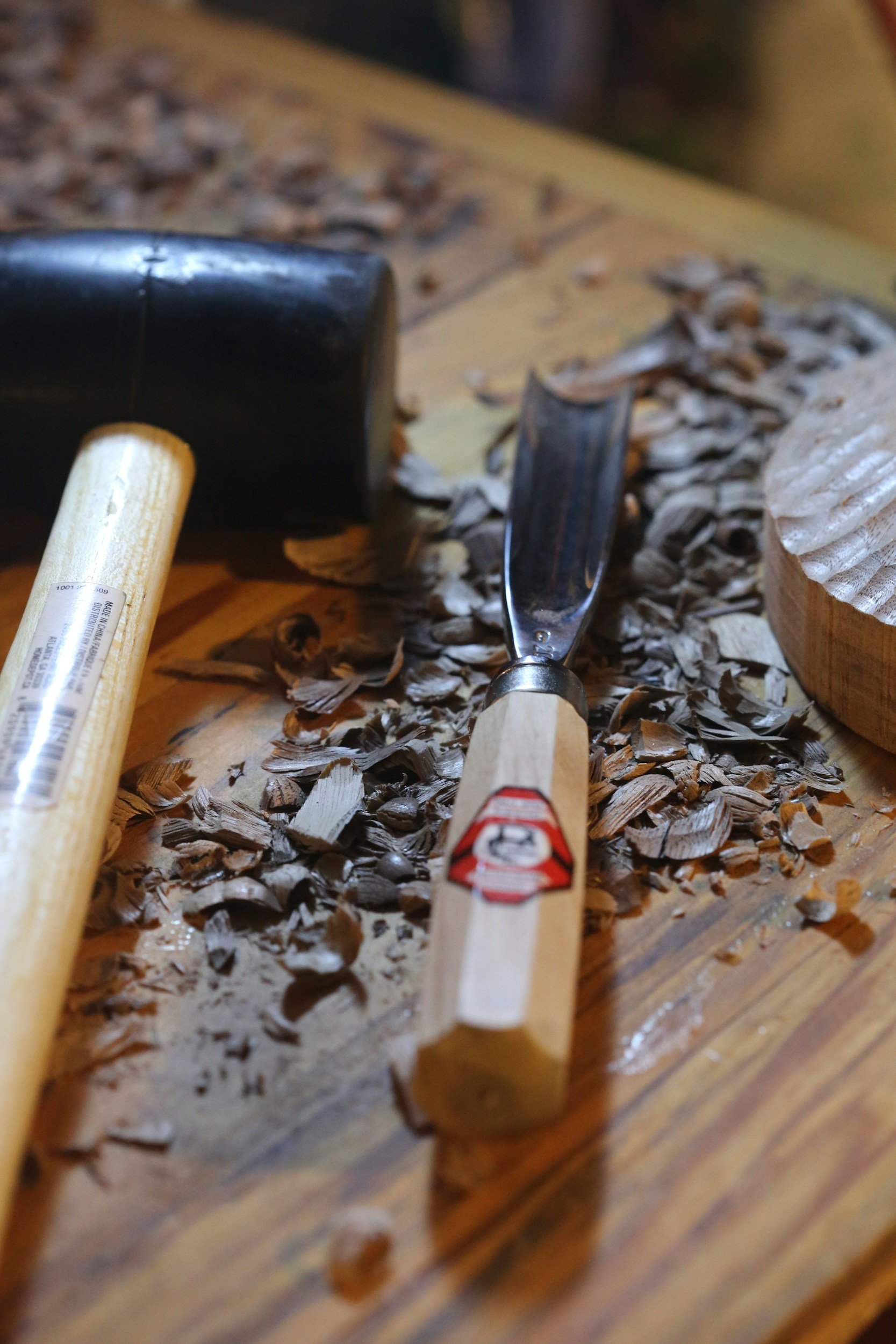
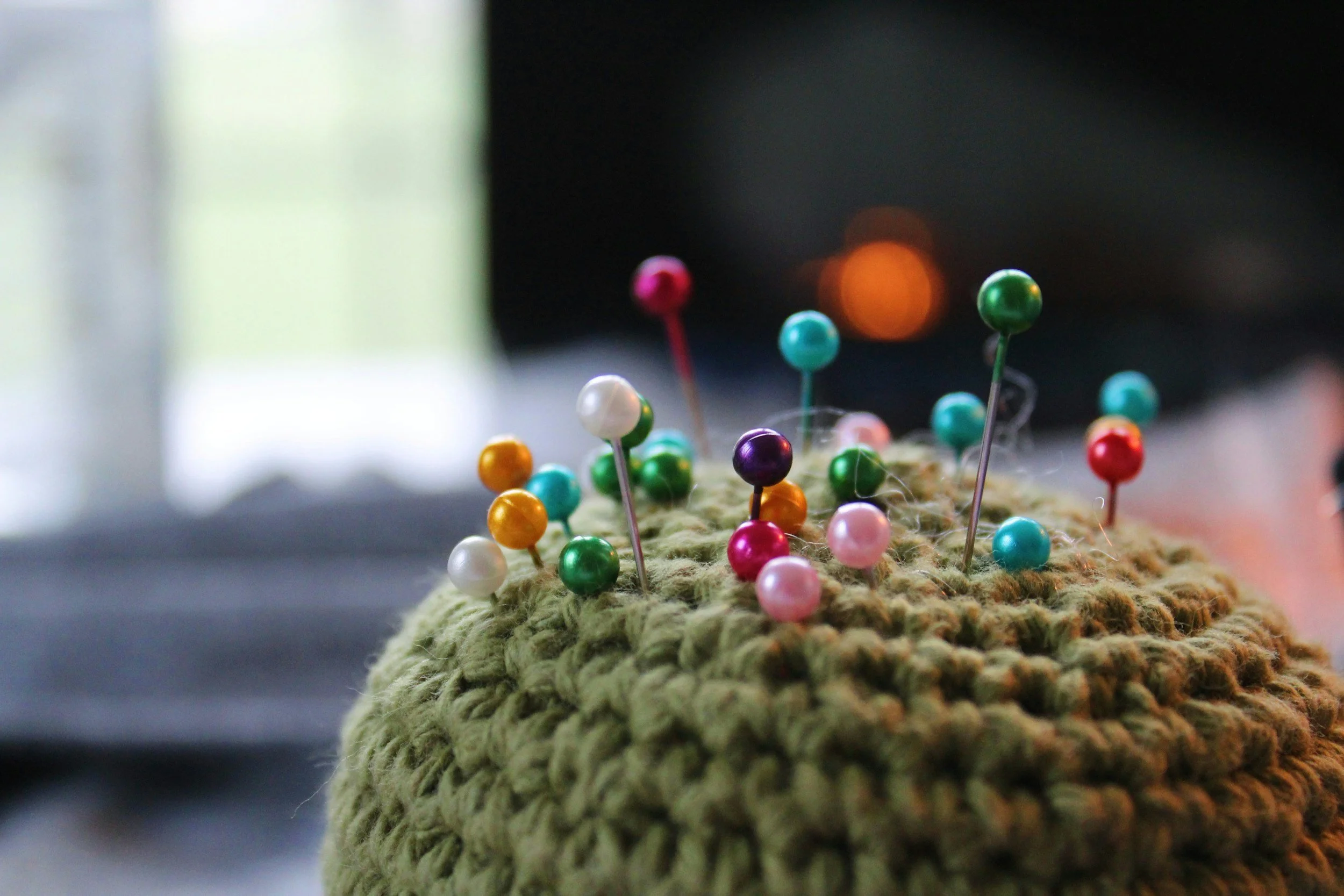
Engaging a child’s hands through woodworking and handwork such as knitting or sewing supports what is often called brain-hand synchronization. These activities strengthen fine motor coordination and cognitive development. The flowing movements and the cross-midline rhythms of knitting stimulate neuroplasticity and reinforce neural pathways linked to focus, patience, and executive function. Unlike typing on a keyboard, the resistance of wood or the tension of yarn provides rich sensory feedback, helping children learn to “think” through their fingertips.
Beyond physical skill, this work also cultivates the will, the capacity to carry a project through to completion. Spending weeks sanding a wooden spoon or felting a small animal teaches that meaningful results come from steady effort. In this way, children develop confidence and functional competence that supports their learning across all subjects.