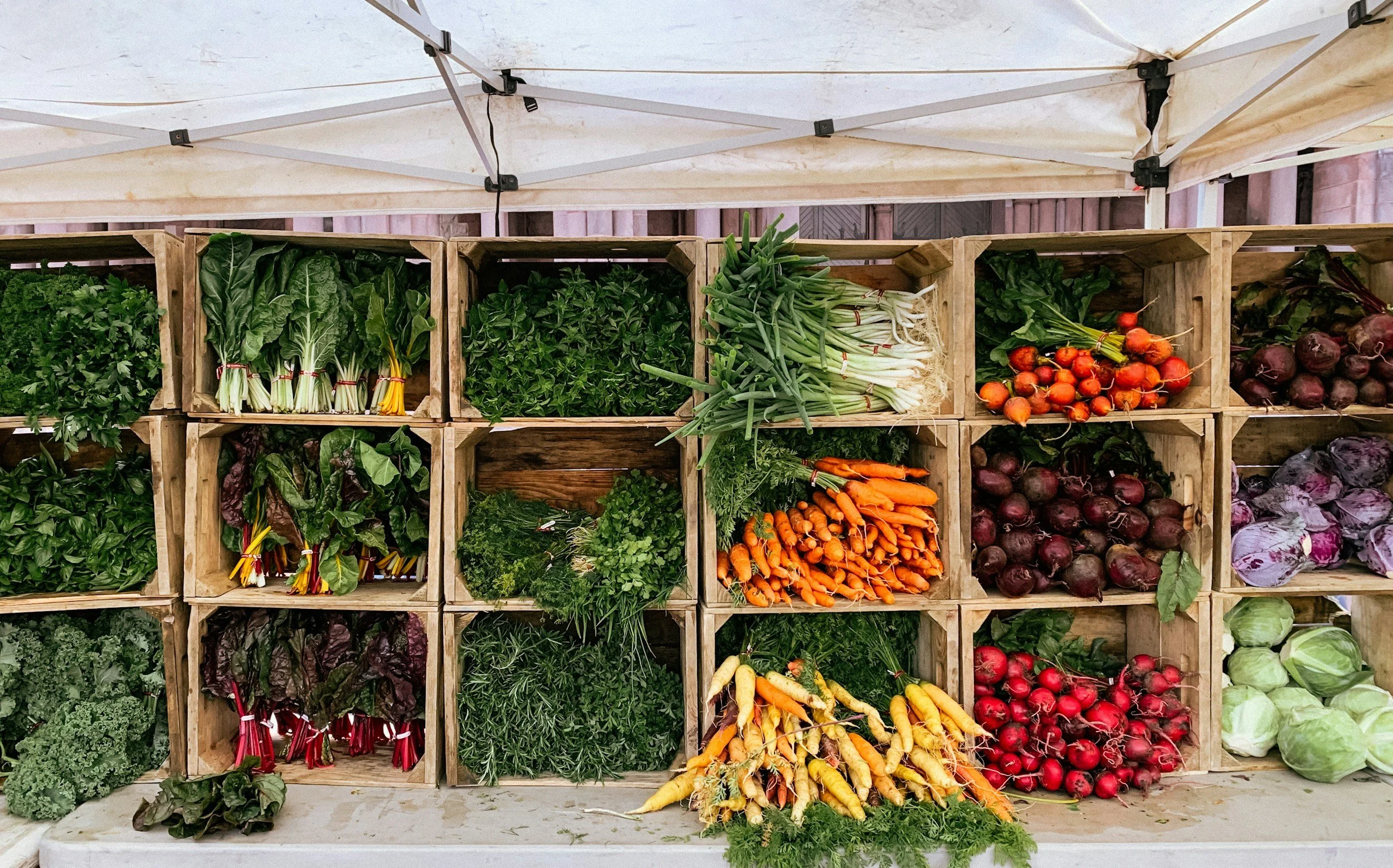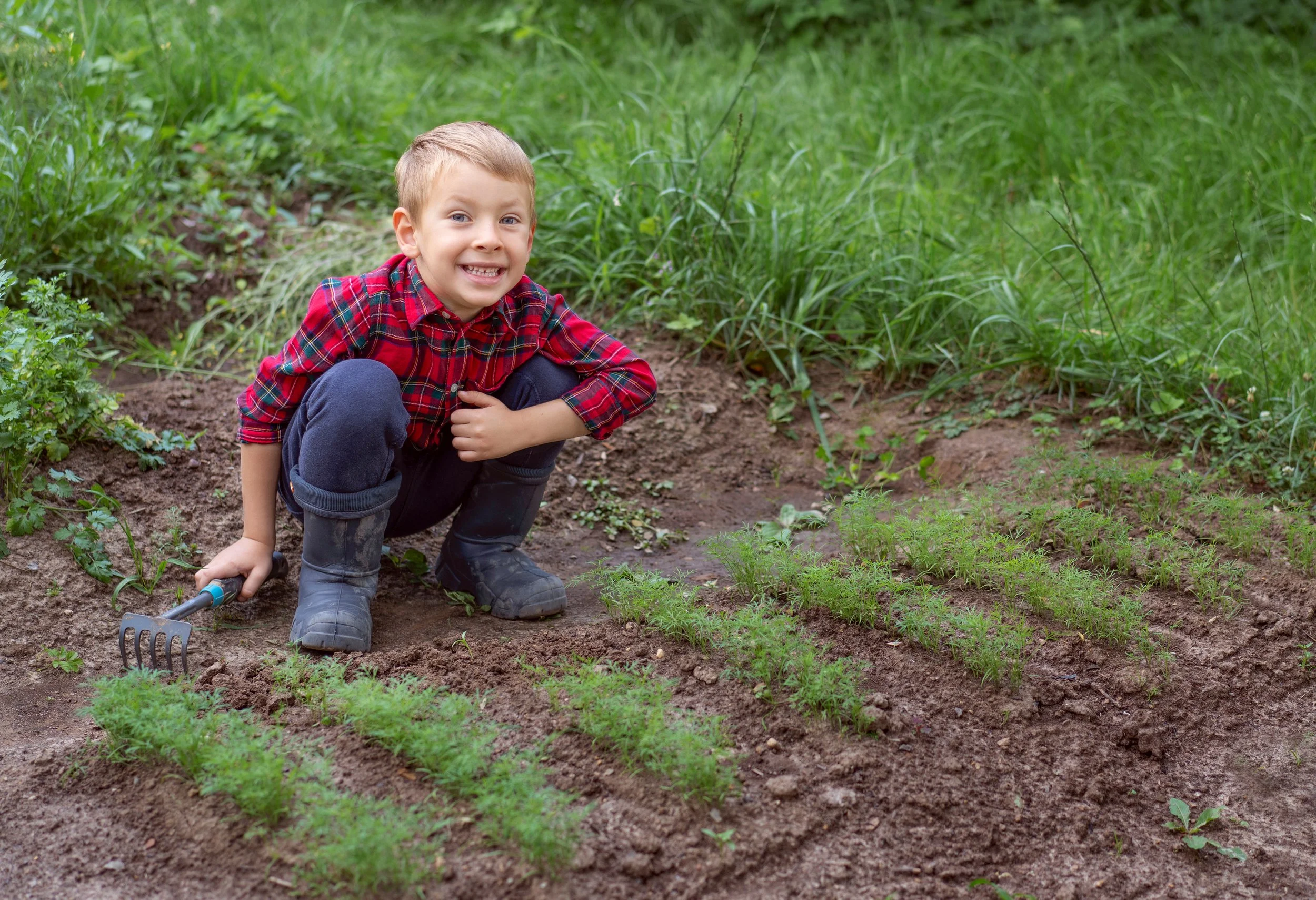
Farm-to-Table
Learning From the Land
Real Skills, Real Experiences
The curriculum for the Farm-to-table brings in skills, knowledge, and stories from ancient to modern practices in biodynamic and regenerative farming, human ecology, whole food nutrition, the joy and healing aspects of mindful food.

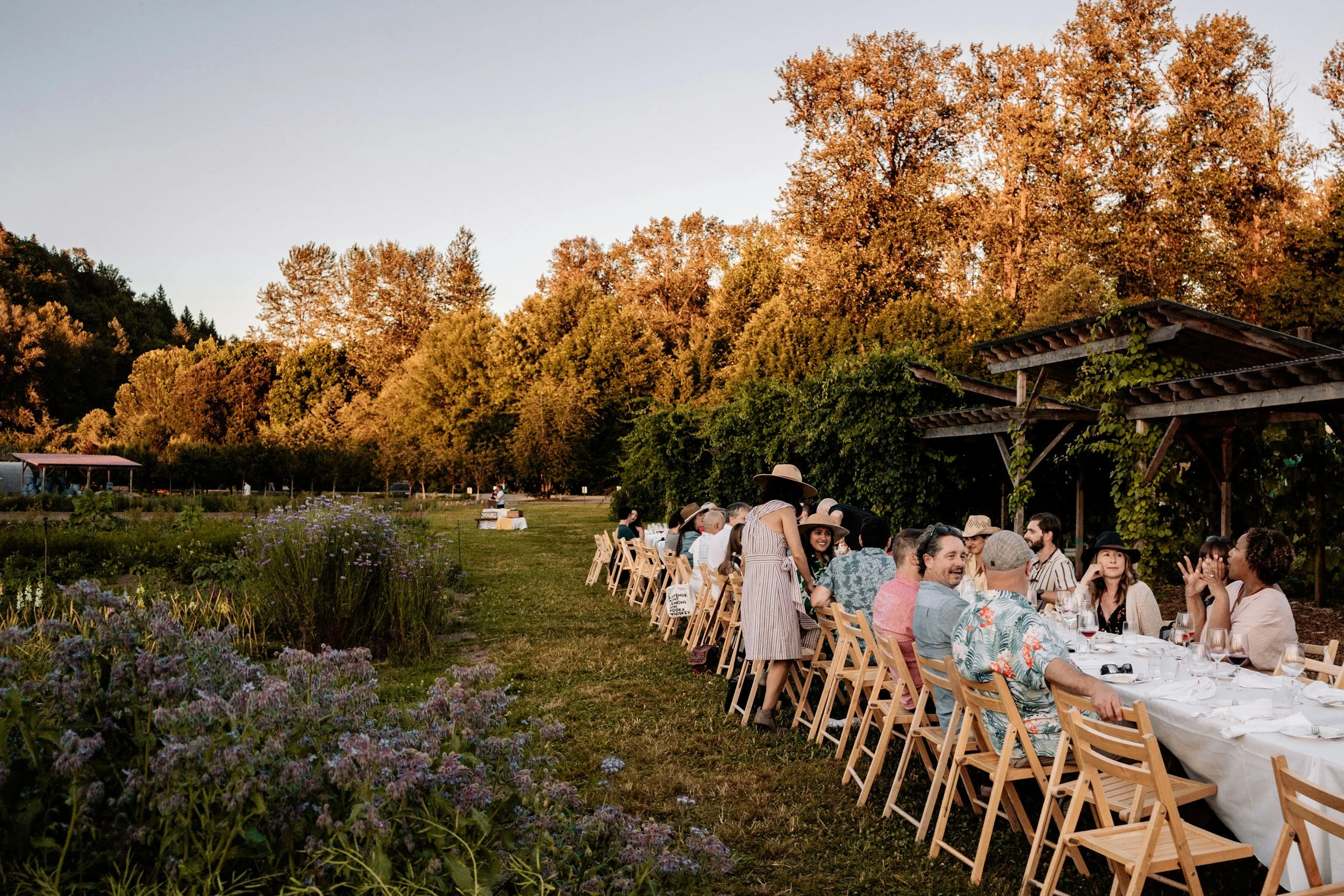
On our farm campus, you’ll see more than just soil and seedlings; you’ll see the very heartbeat of what we are trying to do here at Rooted Meadows.
We often talk about "preparing children for the future," but we must ask ourselves: what does that child really need to carry within them to meet that future with confidence, whatever the future maybe? We have all seen the reports, and more poignantly, we have felt the heavy shift in our own communities—a decline in physical vitality, a fading of our connection to the Earth, and a growing sense of disease in our modern pace of life.
At Rooted Meadows, we believe we cannot simply witness this decline; we must offer a sanctuary where wellness is not a subject to be studied, but a habit to be lived. This is why we have established our Farm-to-Table program. It is our response to a world that has forgotten how to nourish itself.
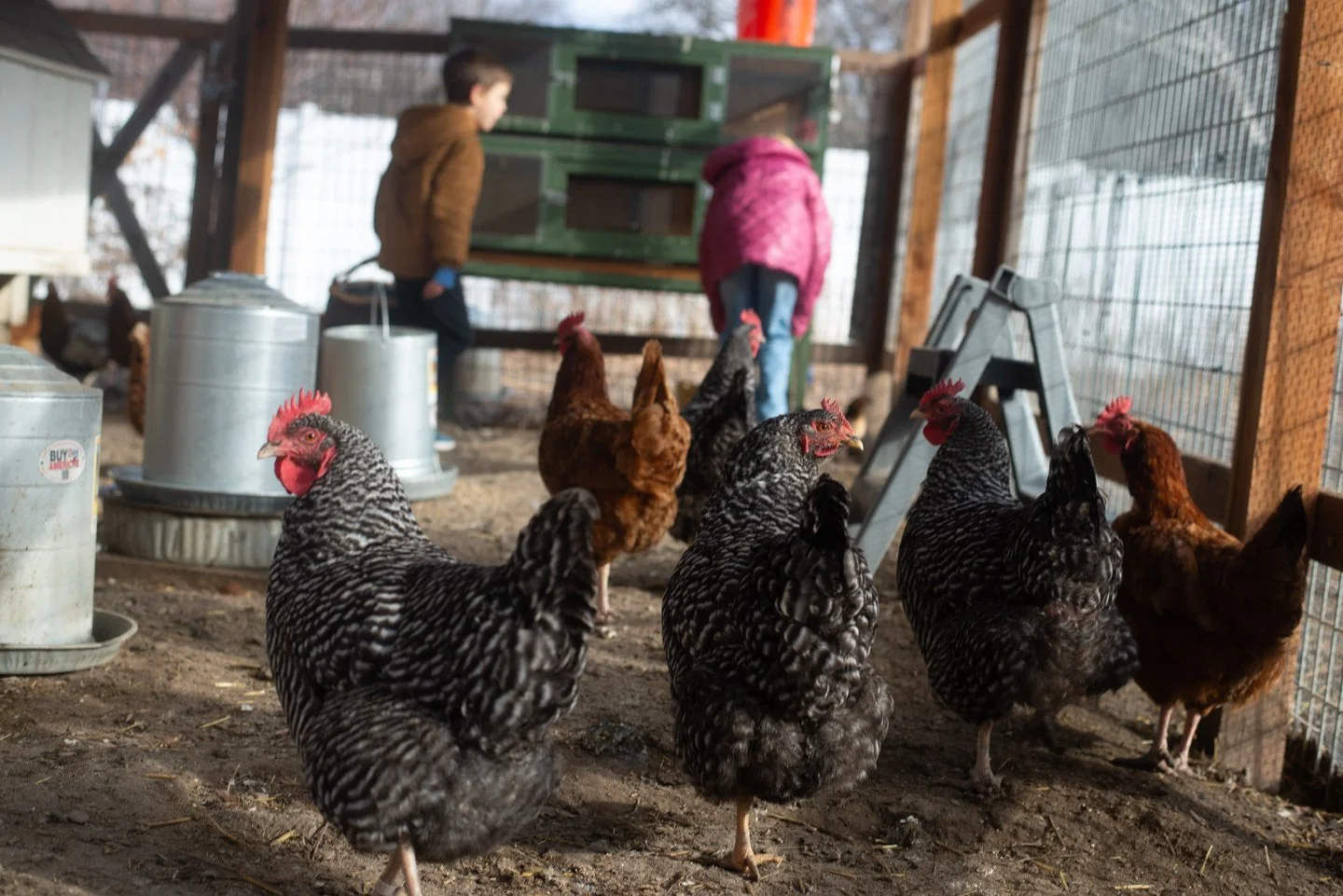
Rooted Meadows will open 2026-2027 renting a property where we will start our Farm-to-Table program with garden beds, greenhouse, and chickens. With the gracious donations from those that feel passionate about the wellness of our children, we hope to purchase our own land for the 2027-2028 school year.
-
Learning to work with the seasons teaches patience and a deep-seated respect for the "tempo" of nature that can be applied to human lifestyles.
-
Our Cooking classes strip away the mystery of processed foods and expose the child to the marvelous world of the many textures, colors and flavors of raw food.
When a child grows the tomato or harvests the herbs, their curiosity naturally overcomes pickiness, fostering a lifelong love for wholesome nourishment.
-
We emphasize that a meal is more than just calories; it is a joyful gathering where life is sustained and connections made.
By preparing the food they produced together, students learn teamwork, cooperation, executive function skills along with the importance of conversation, gratitude, and the social bonds that are formed working together and gathering at the table together.
-
Students graduate with the quiet confidence that they can provide for themselves and their community whether by baking a loaf of bread, repairing a fence, or harvesting a bouquet to share.
Scaffolding Responsibility
As the children grow, so does their stewardship of the earth.
In our farm-to-table program, children gradually take on deeper responsibility as they grow. Each year builds on the last, allowing students to develop practical skills, confidence, and a living relationship with the land and animals that nourish our community.
Through these age-appropriate responsibilities, children experience the satisfaction of meaningful work and the understanding that the food they share at the table is the result of care, patience, and collaboration. By the end of the eighth grade, students have experienced the full cycle of tending soil, plants, animals, tools, and harvest. Through these years of meaningful work, they develop not only practical knowledge but also a lasting appreciation for the rhythms of nature, community collaboration, and the sources of the food that sustains us.
-
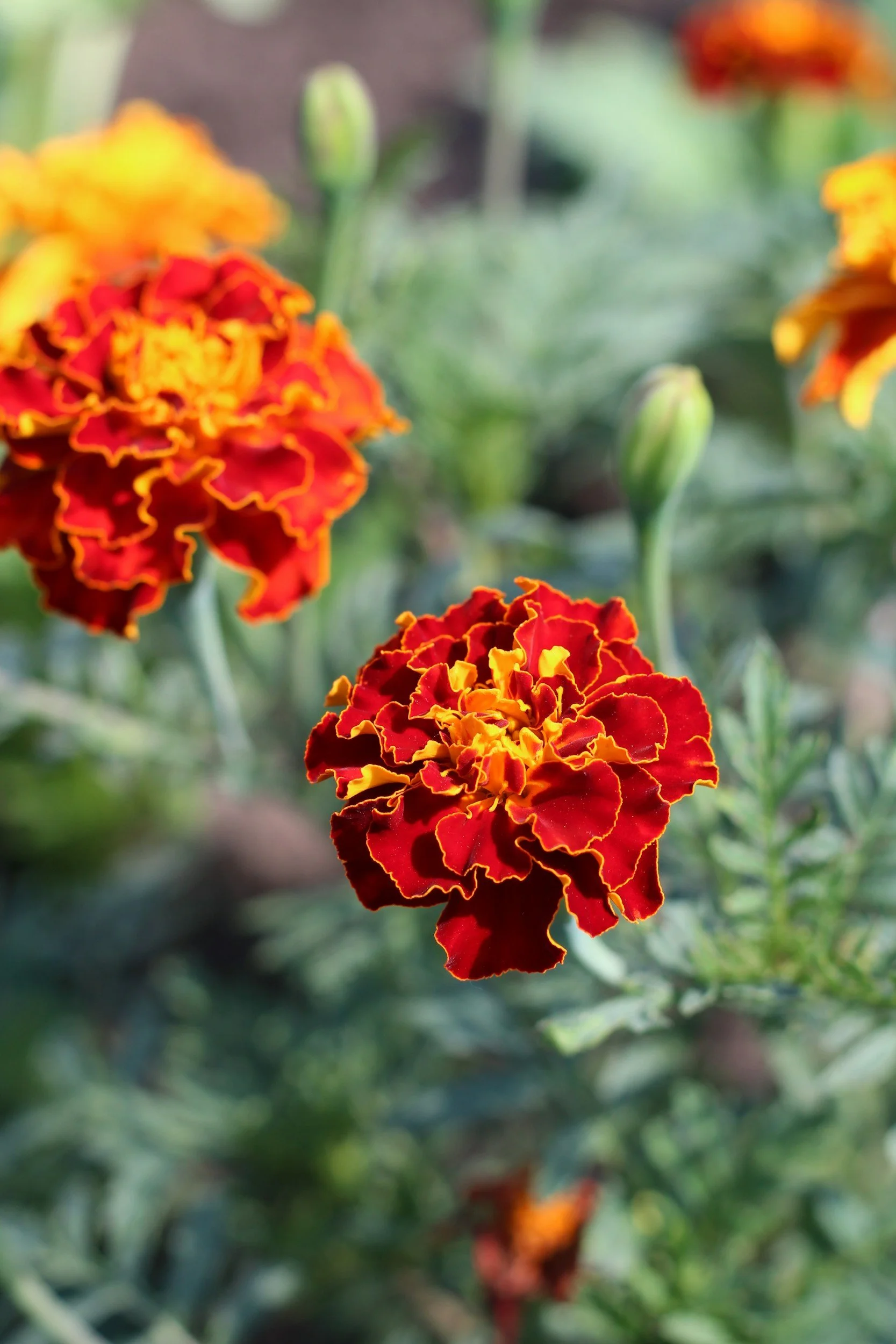
First Grade begins with joyful participation and sensory experiences. Children help with simple, meaningful tasks such as gathering flowers for bouquets, husking and cutting corn, pressing apples, raking leaves, picking berries, and collecting chicken eggs. These activities introduce the rhythms of the seasons and the idea that our work supports the life of the farm.
In Second Grade, students begin caring more directly for growing things. They help weed and plant flowers, dry corn and apples for storage, harvest berries, saw small pieces of wood, and assist with basic chicken care. Through these tasks, they learn that their hands can help nurture and maintain the farm.
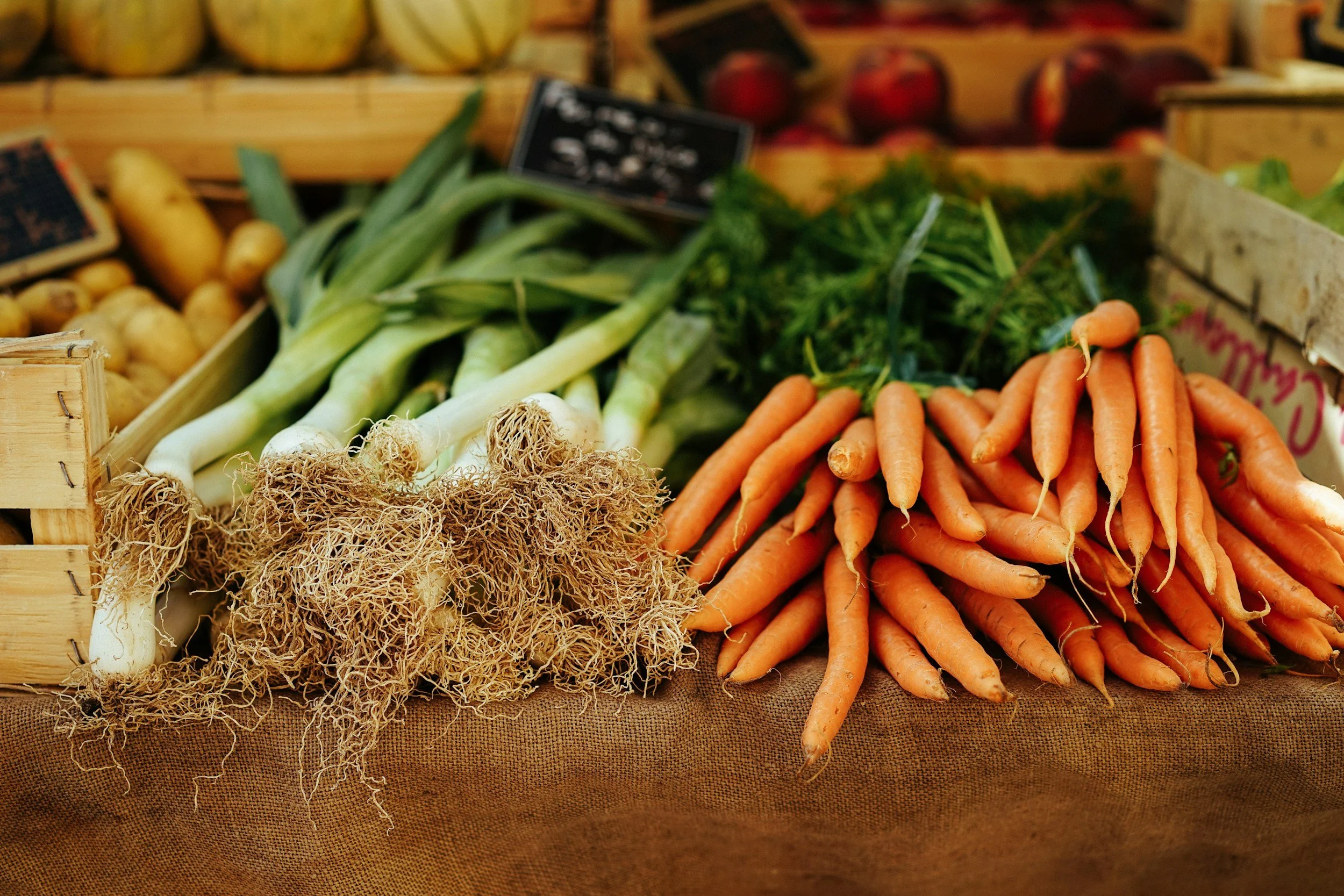
By Third Grade, children take on more substantial stewardship of land and animals. They work with root vegetables and squashes, help maintain healthy soil, build birdhouses, participate in sheep shearing, and care for bunnies. Their work reflects a growing understanding of the cycles of farming and animal husbandry.
Fourth Grade students deepen their sense of responsibility by helping maintain animal homes and supporting the health of the garden. They tend leafy greens and vegetables and learn practices such as mulching and ground cover that protect and enrich the soil.
In Fifth Grade, students begin to think more ecologically about the farm as a living system. They learn natural methods of pest control and cultivate vine plants such as cucumbers, tomatoes, peas, and other climbing crops. Their work reflects a growing awareness of balance, sustainability, and the interconnectedness of the farm.
-
As students move into the upper grades, their work on the farm reflects increasing independence, skill, and understanding of the larger ecological systems that support the land.
In Sixth Grade, students begin to take responsibility for the care of the tools that make farm work possible. They learn proper tool cleaning and maintenance, prune berry bushes to support healthy growth, plant and harvest grains, and explore the principles of crop rotation. Through this work, they begin to see how thoughtful planning and care sustain the fertility of the land year after year.
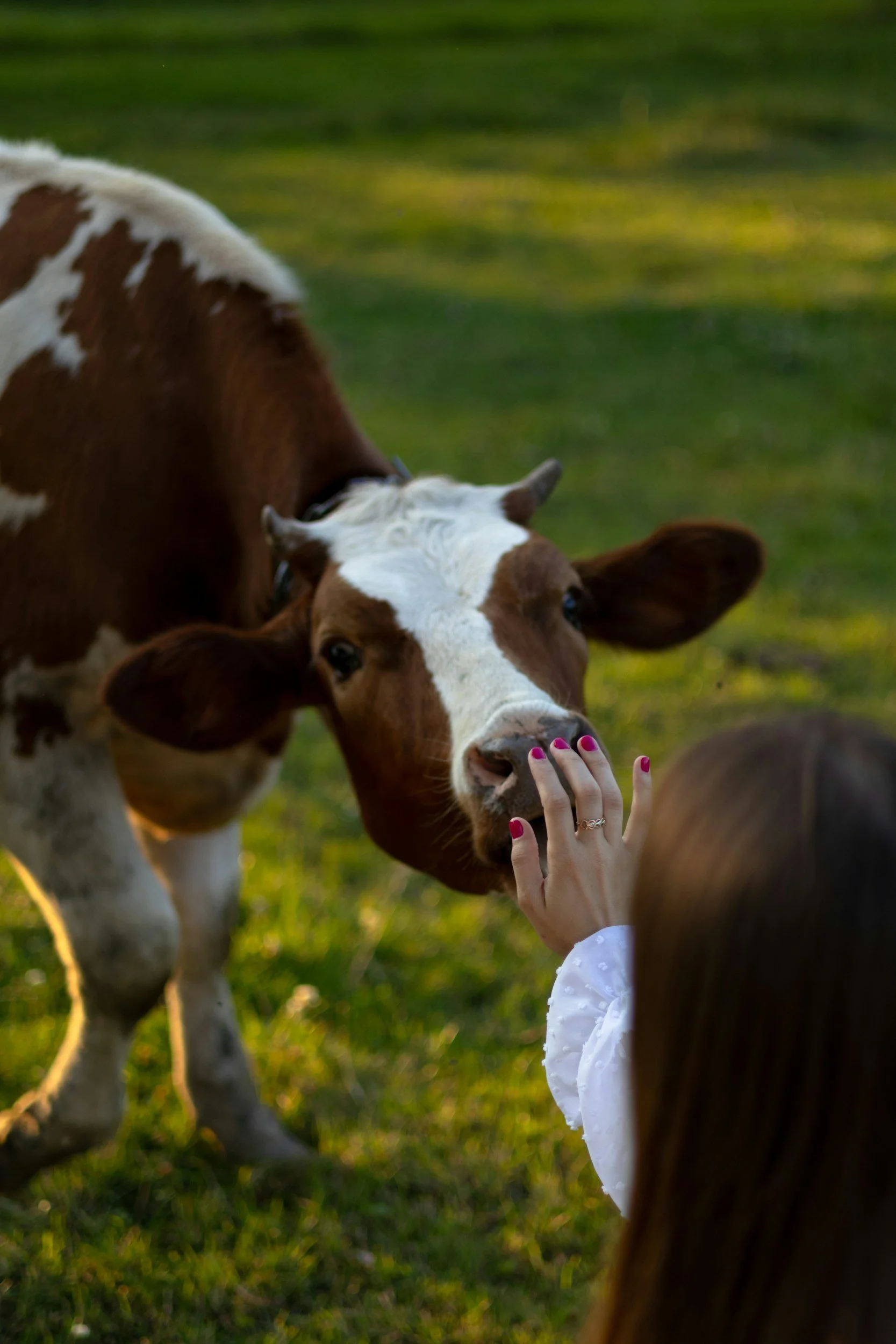
Seventh Grade students deepen their relationship with plants and animals through more specialized work. They cultivate herbs used for teas and cooking, care for farm animals, and learn the process of milking. These experiences connect students directly to the nourishment that comes from the farm while fostering attentiveness, patience, and respect for the animals in their care.
In Eighth Grade, students take on leadership roles and more complex responsibilities. They learn the art of tree pruning, help preserve the harvest through food preservation techniques, and continue caring for animals. Their work reflects both the practical skills they have developed over the years and a growing sense of stewardship for the farm and its living systems.