Guiding the Journey:
The Deep Presence of the Teacher.
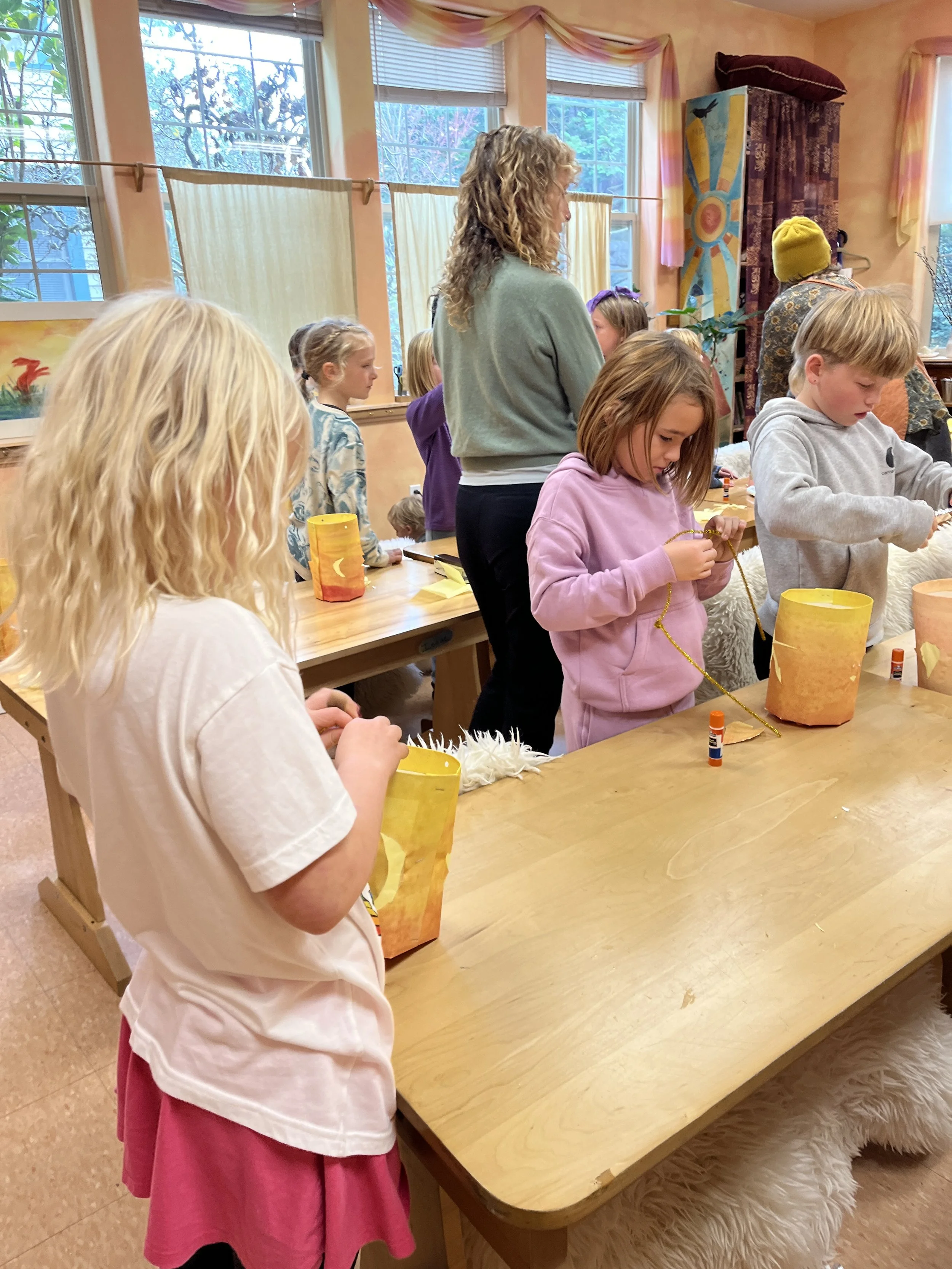
A teacher trained at a certified AWSNA instituted is defined by a deeply intentional presence and a unique commitment to building long-term relationships with their students. By often looping with the same class from first through eighth grade, these educators develop a profound, multi-year understanding of each child’s evolving strengths, temperament, and developmental path, fostering a secure environment of trust and belonging. Rather than relying on standardized testing, properly trained teachers utilize the art of keen and thoughtful observation—tracking how children play, interact, and express themselves—to provide rich, narrative assessments that honor the whole child and support who they are becoming.
Approaching education as a living, creative process, allows teachers to seamlessly weave art, music, movement, and storytelling into core academic subjects to fully engage students' imaginations. This vibrant teaching style is sustained by the educator's own dedication to continuous inner growth, self-reflection, and extensive study of child development. Working within a collaborative school community, our teachers bring heart, reverence, and careful intention to every daily rhythm, ensuring their gestures thoughtfully shape a world where children can step into the fullness of their humanity.
Unique Methods
-
![]()
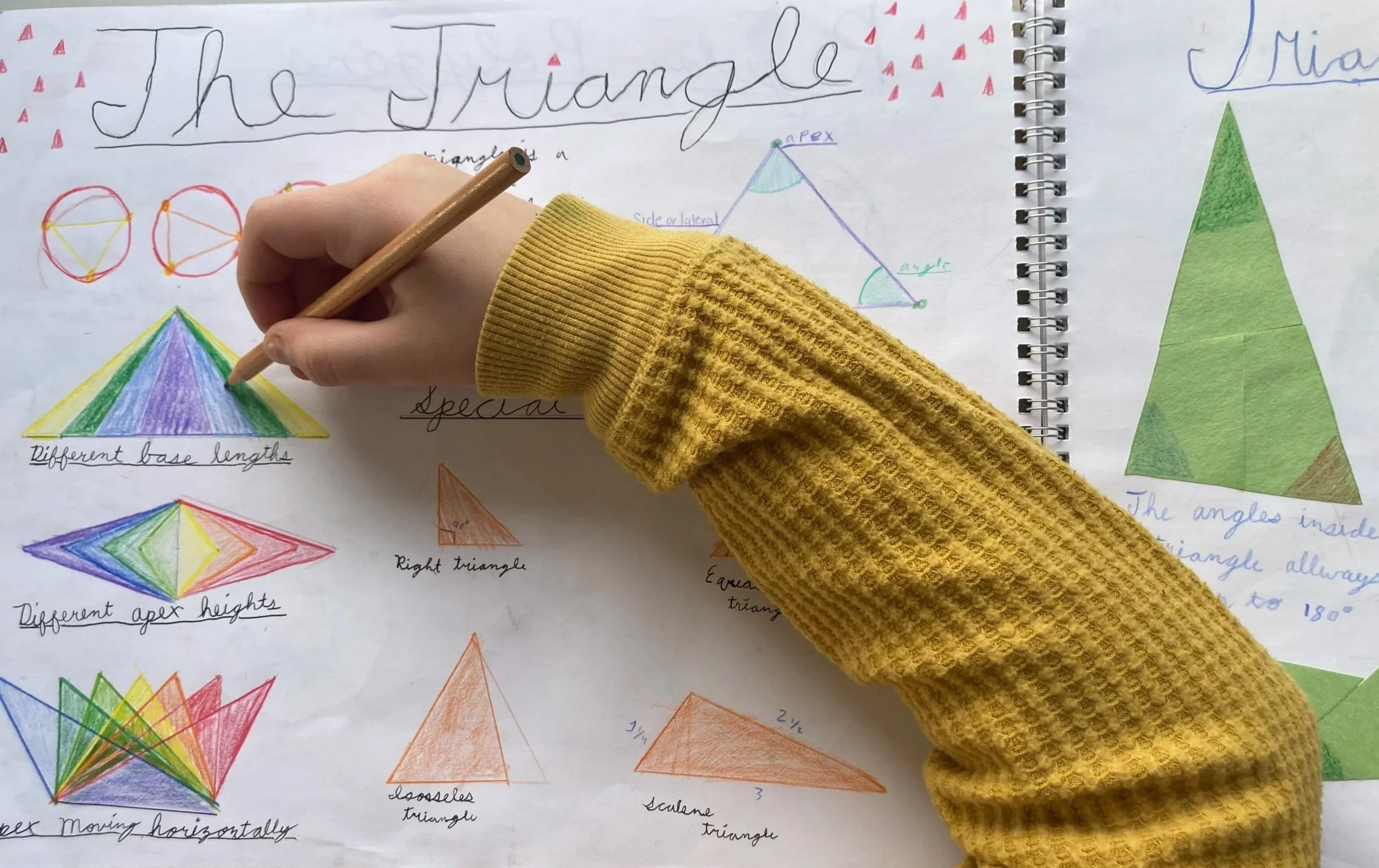
Main Lesson
WHY MASTER BEATS MEMORIZATION
While the traditional approach of worksheets and tests has dominated classrooms for decades, modern educational psychology suggests that this often only measures compliance and short-term recall rather than genuine mastery. True academic success is better reflected through active synthesis: the ability to create, present, discuss, and manipulate information in hands-on projects. -
![]()
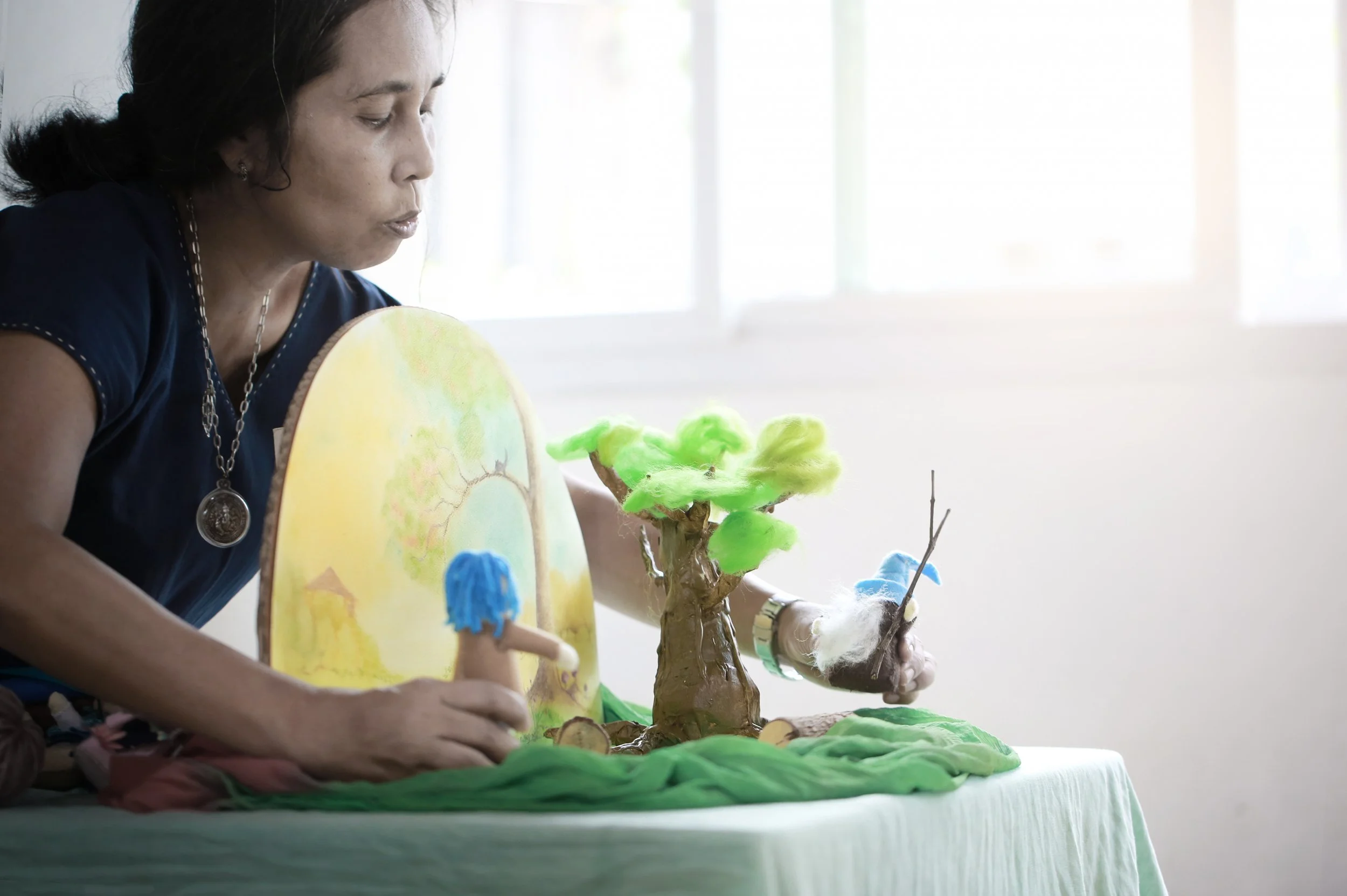
Storytelling
THE POWER OF RHYTHM & NARRATIVE
By weaving academic content into creative forms, educators lower the "affective filter"—the anxiety or boredom that can block learning—and replace it with a sense of play. This doesn't just help a child remember a topic; it helps them internalize it, making the knowledge a part of their personal vocabulary rather than just a line in a textbook. -
![]()
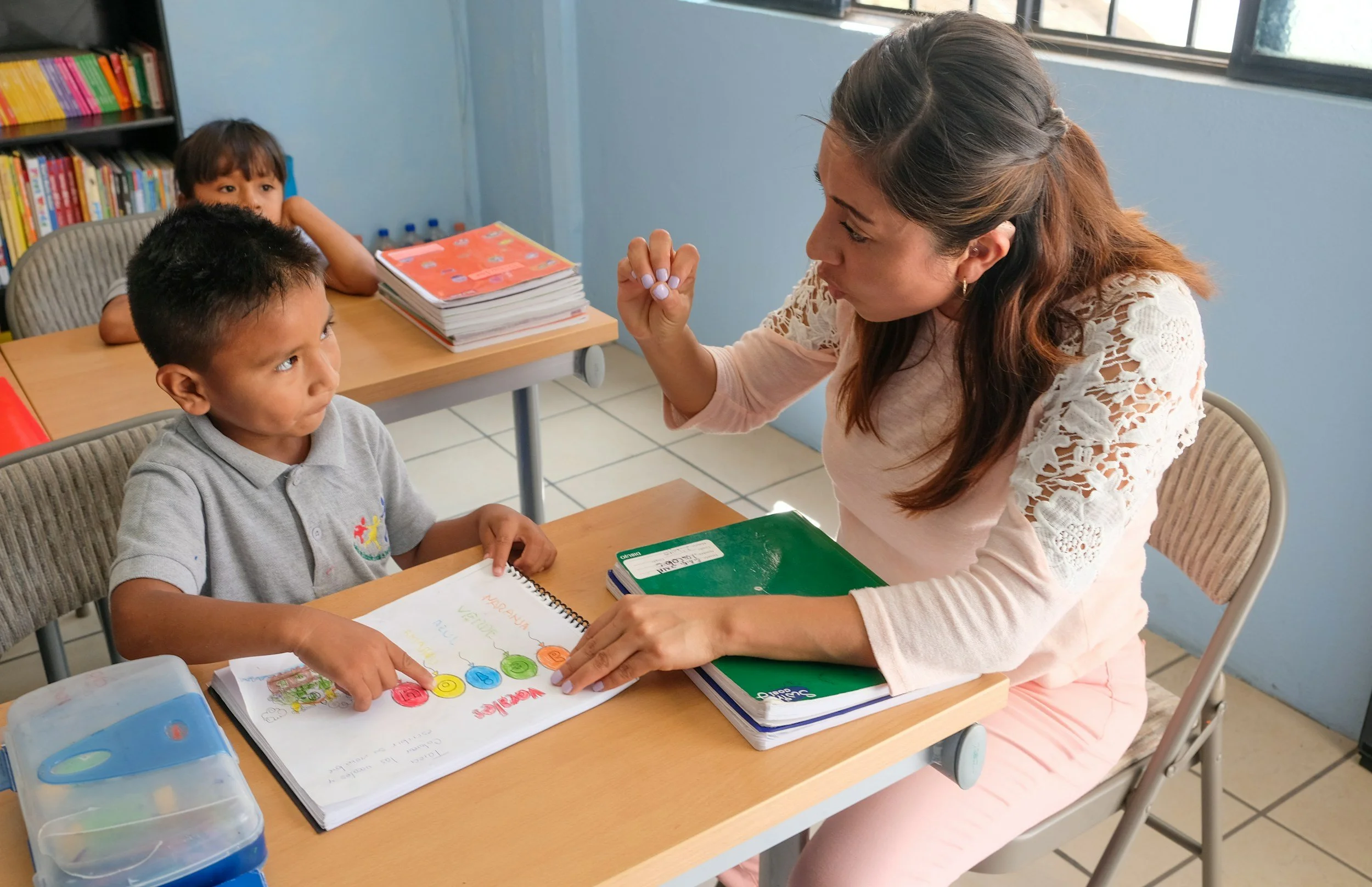
Relational
A SECURE LEARNING BASE
At the heart of education is the relationship between a teacher and a child and serves as the essential foundation which all academic learning is built upon. When a child feels seen and supported by their teacher, their nervous system exits the state of "fight or flight" and enters "ready-to-learn" state; their mind opens up like a sponge, making it much easier for them to actually hear, understand, and remember what is being taught. -
![No Screens]()
No Screens
UNPLUG TO CONNECT
In a world increasingly dominated by automation and artificial intelligence, the most valuable skills a child can possess are the ones computers cannot replicate. By removing screens from the classroom, we create a space where children must rely on their own internal "operating systems” and engage in the messy, high-value work of human-to-human collaboration, confident communication, ethical thinking, and creative problem solving. -
![]()
Handwork
THINKING THROUGH THE FINGERS
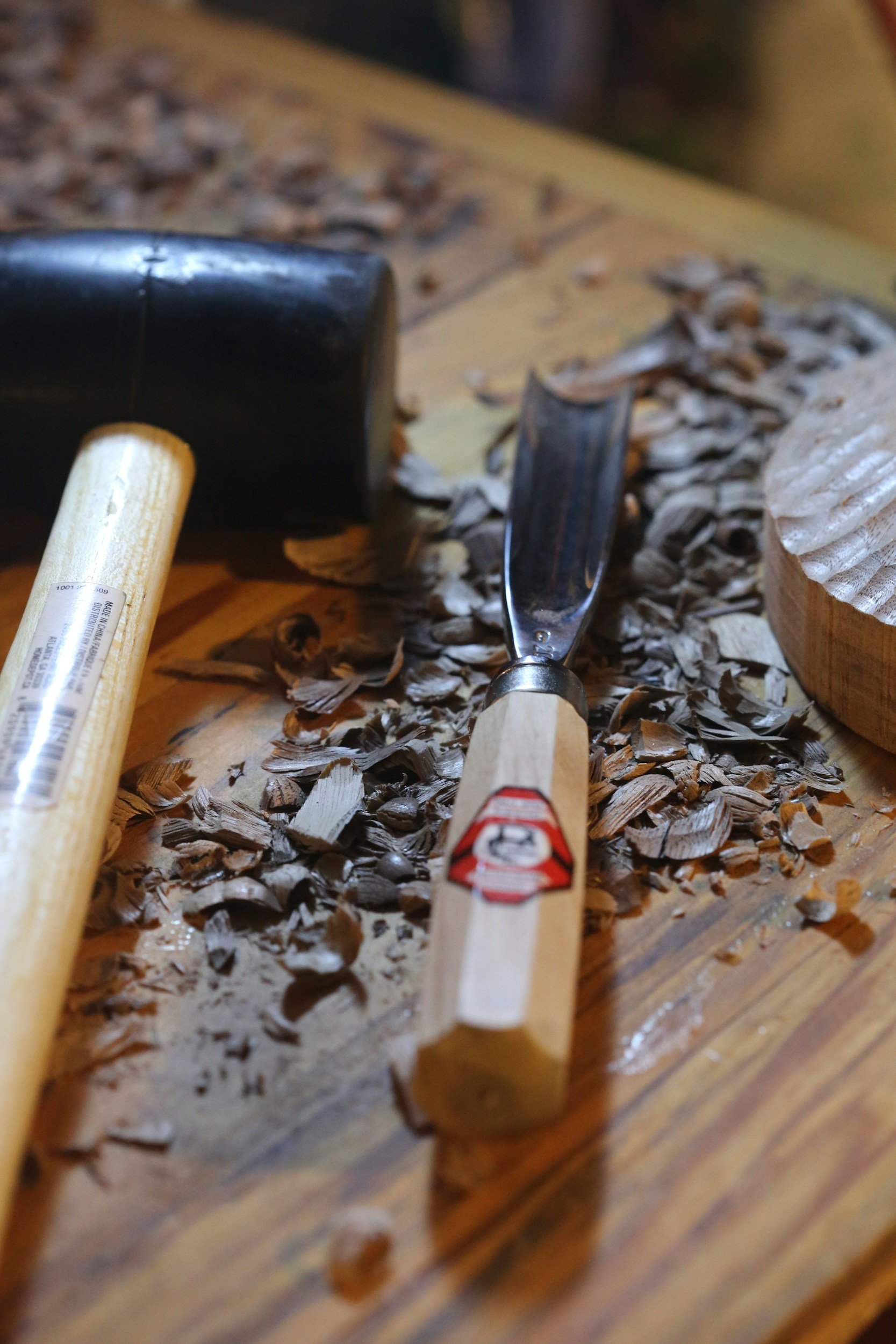
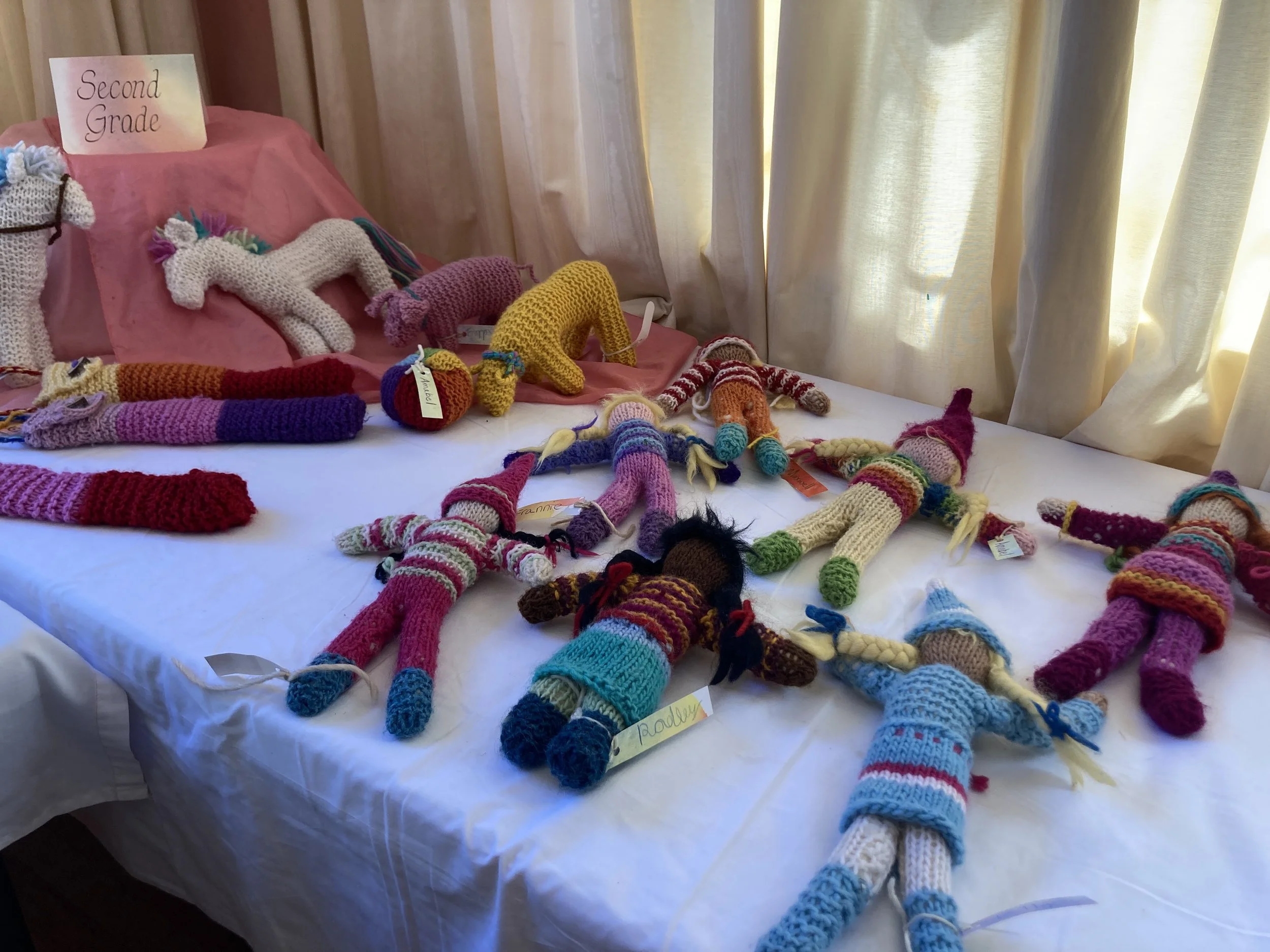
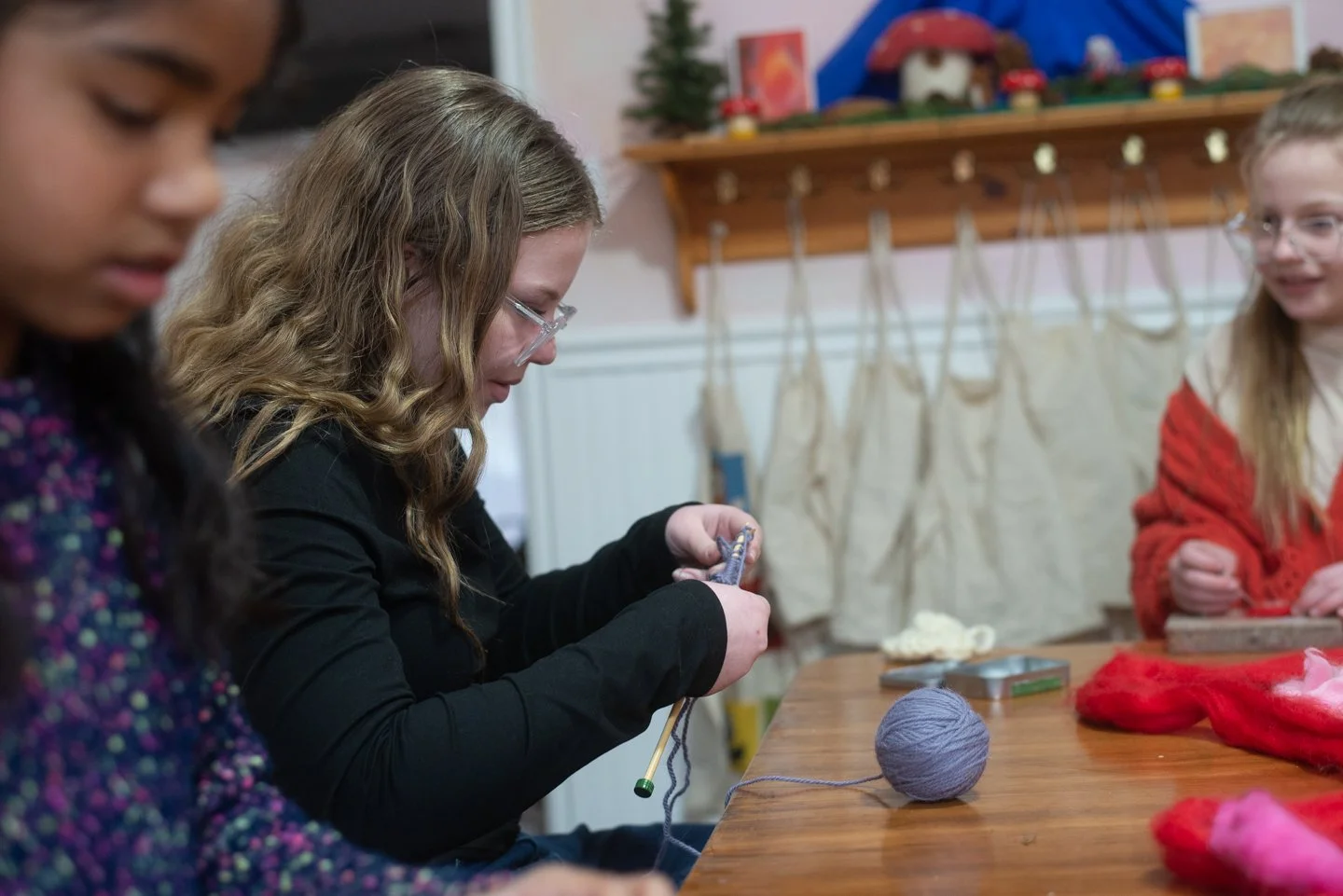
Engaging a child’s hands through cursive, woodworking, and handwork (like knitting or sewing) is not merely crafting; these are sophisticated exercises in fine motor integration, stimulating the brain's neuroplasticity, and strengthening the neural pathways responsible for focus, patience, and executive function. Beyond the physical skill, these activities cultivate the "will"—the ability to see a long-term project through to completion.
-
![]()
Eurythmy & Movement
MOVEMENT, RHYTHM, AND STILLNESS
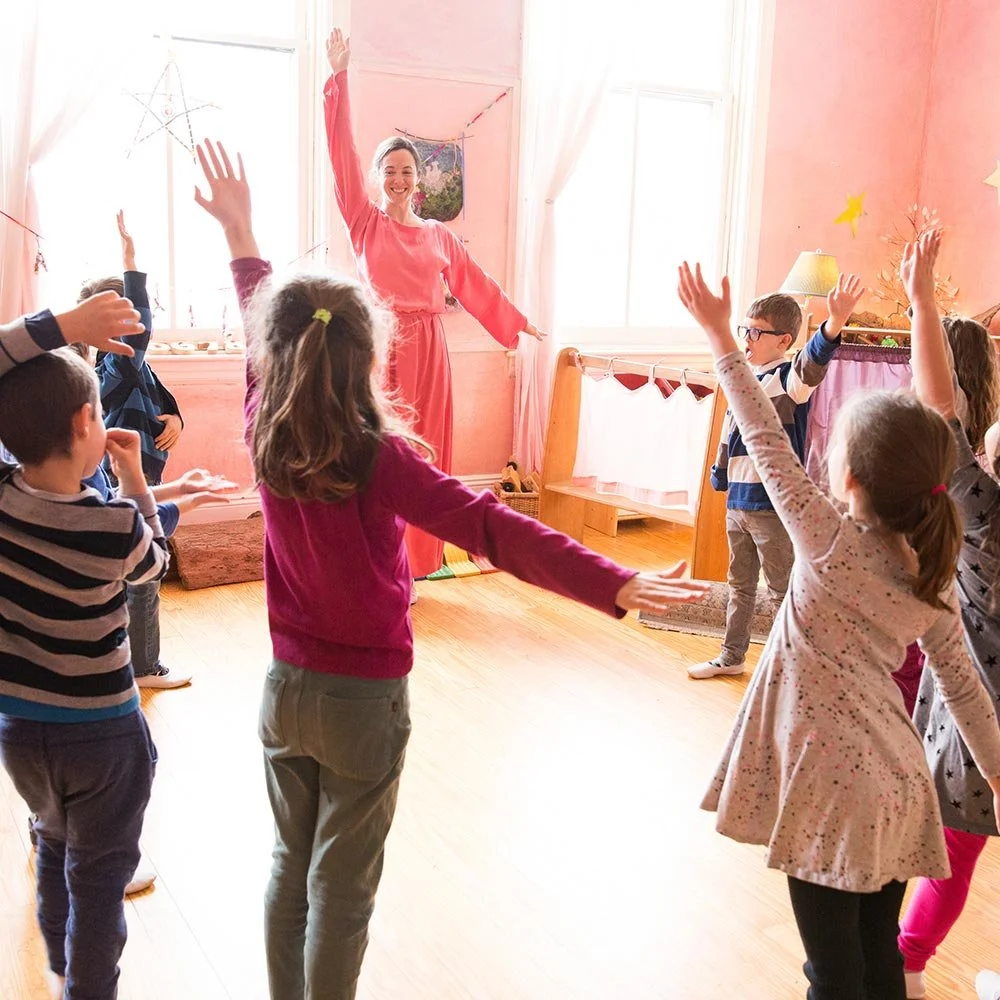
Movement games are part of the "work" of childhood. They allow children to discharge pent-up energy while simultaneously practicing the social nuances of leadership, following, skill building and fair play.
Because Eurythmy and Yoga are deeply rooted in rhythm—much like the natural beating of a heart or the flow of breath—it has a profound effect on the Autonomic Nervous System. Children become more resilient, flexible, and receptive.
-
![]()
Living Literature
“VIRTUAL” LIFE LESSONS
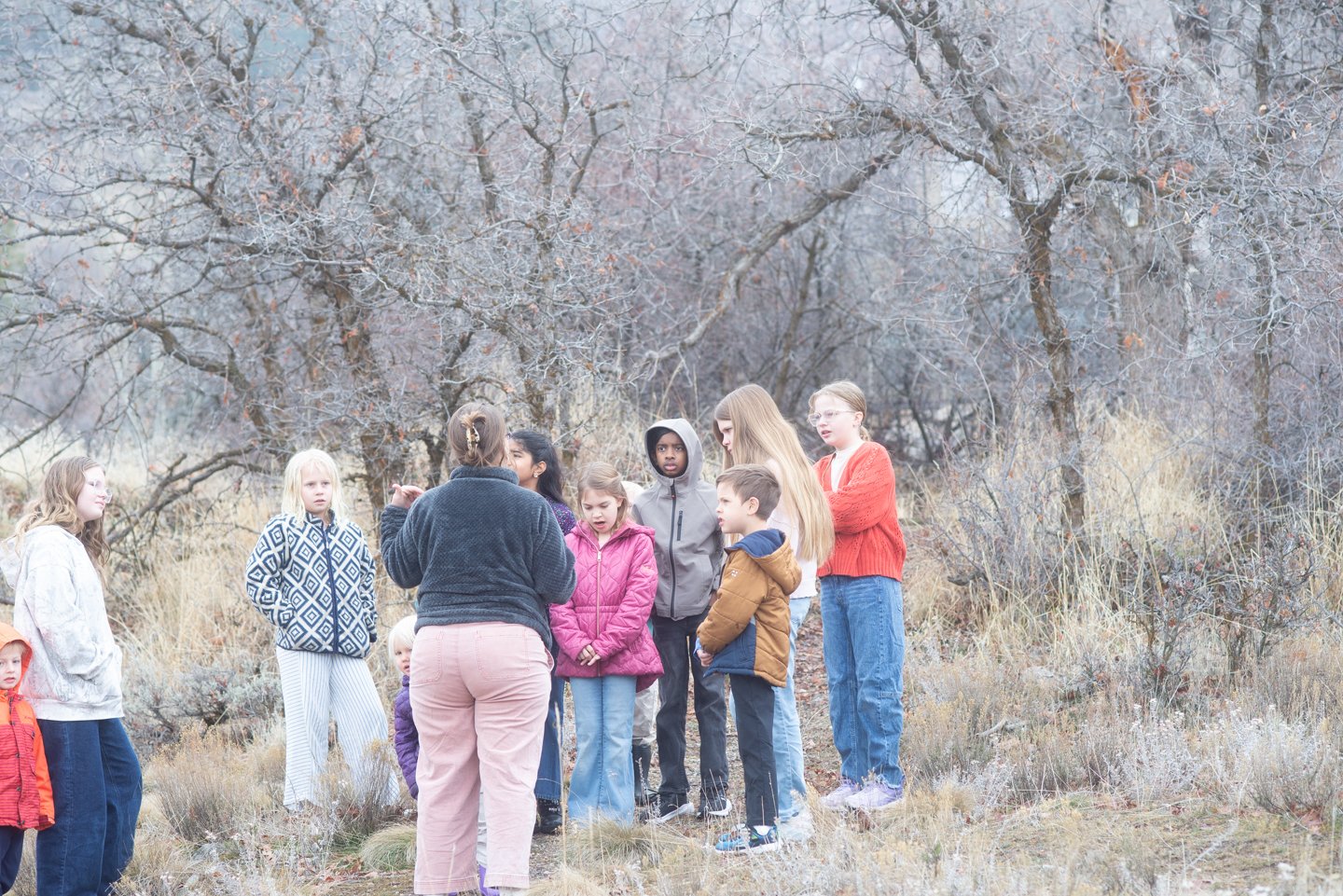
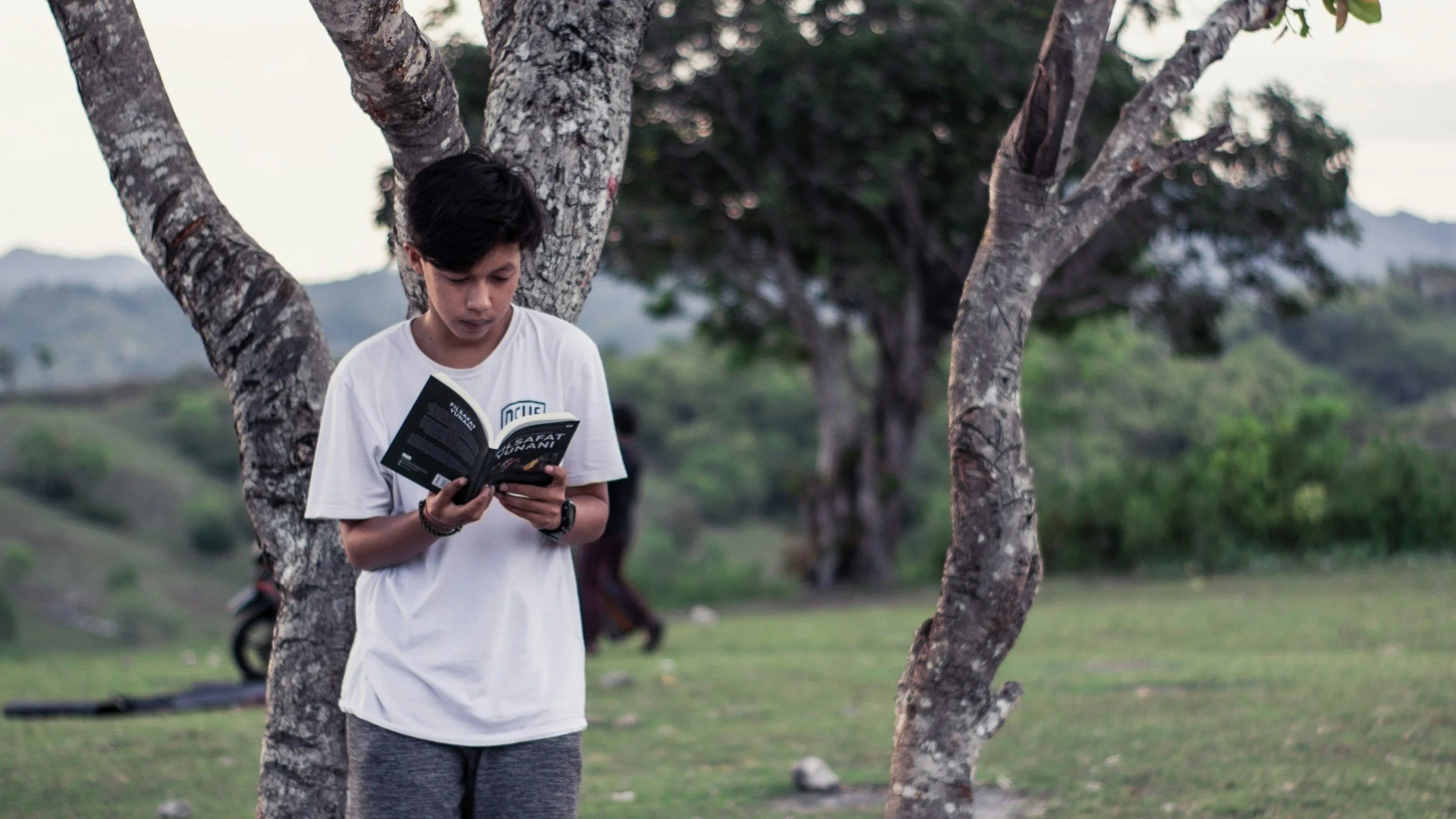
Living Literature consists of books written by authors with a deep passion for their subject, using narrative, vivid language, and "ideas" rather than just dry facts or useless and meaningless stories. The true power of Living Literature lies in its ability to transport children into these stories, students encounter moral dilemmas, cultural differences, and historical hardships from a safe distance. They learn how to navigate the world's complexities and develop a moral compass by walking in a character's shoes.
-
![]()
Integrated Arts
AWAKENING THE SOUL THROUGH ART
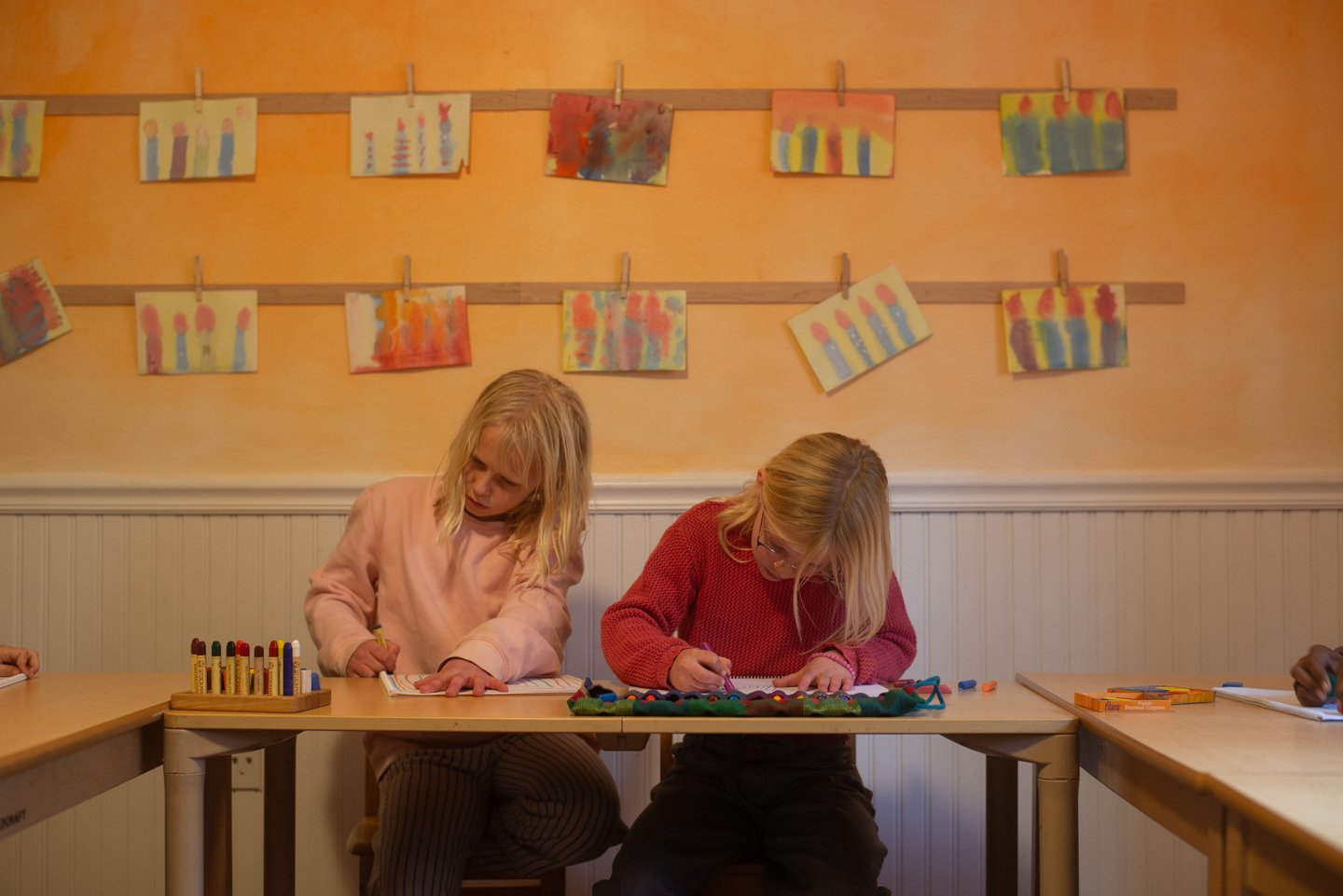
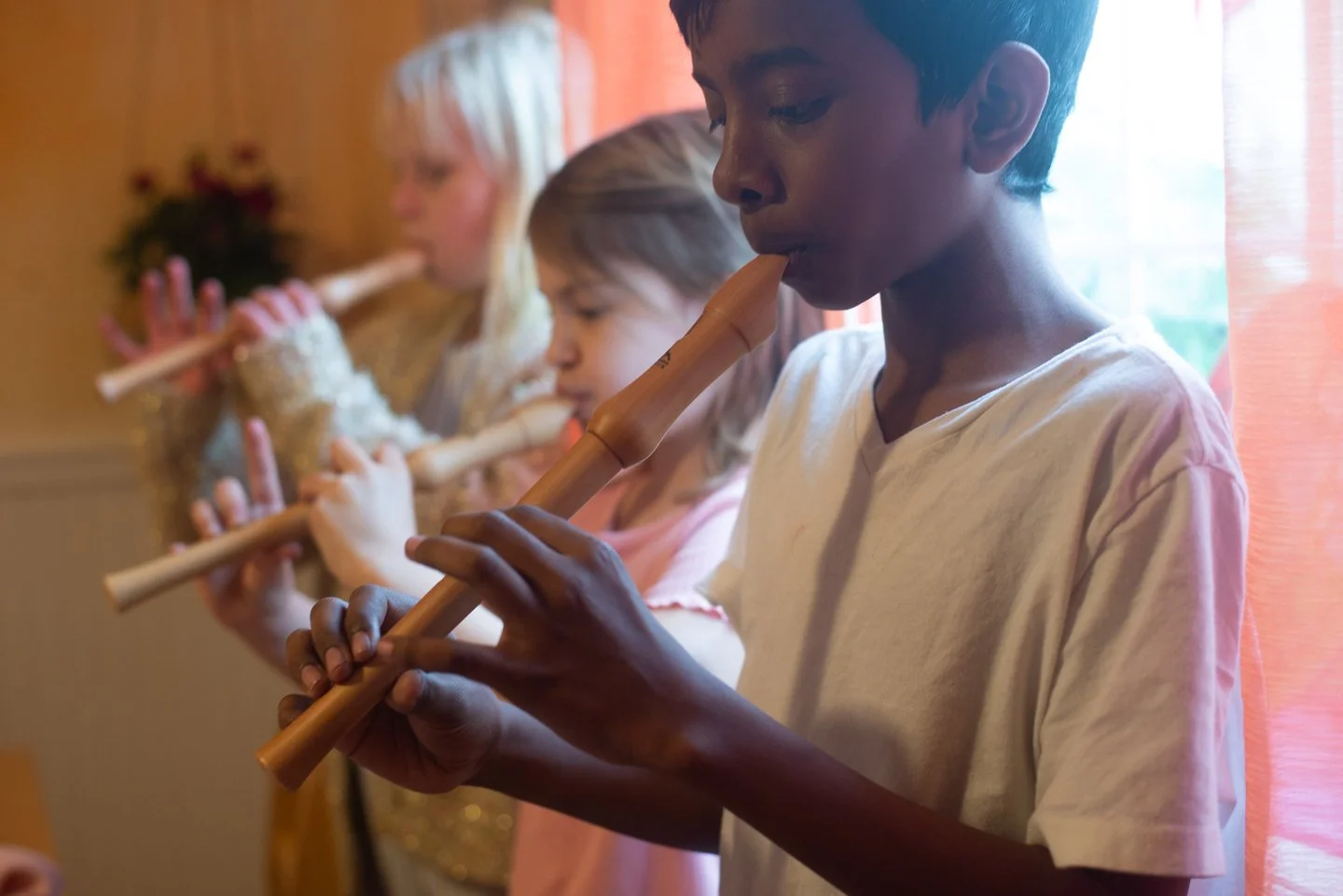
In Rooted Meadows the arts, music, and drama are never treated as mere extracurriculars; rather, they are the very heartbeat of the daily curriculum. Rudolf Steiner recognized that during the middle years of childhood, a child’s primary gateway to understanding is not through abstract logic, but through their feelings, imagination, and soul. By weaving artistic expression into every academic subject, Waldorf education directly engages this feeling part of the child, which is precisely how they learn and retain knowledge best during these formative years.
Come for the Magic,
Stay for the Mastery