Home & School in Harmony
Understanding Our Educational Philosophy & Family Guidelines
Consistency Matters
Supporting Development at Home and School
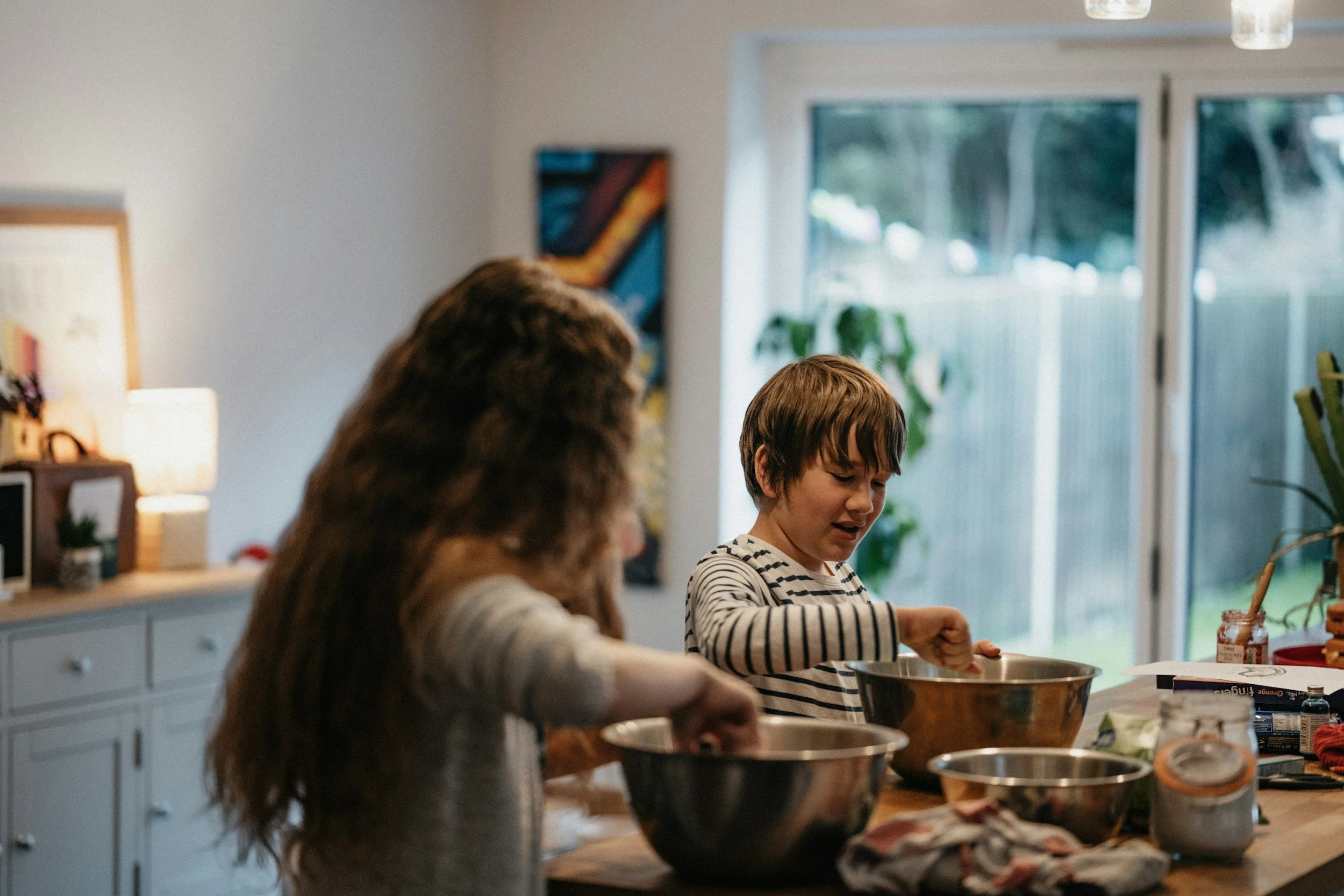
A child’s life and behaviors are not compartmentalized between home and school, but are intertwined.
In holding child development at the center of all that we do, we encourage families to incorporate developmentally appropriate practices at home to create continuity in the child’s experience between home and school. We are not suggesting that you should adopt all school practices into your home, but we are inviting you to create alignment in a few key areas to best set up your child for success at school.
If you’d like to learn more about our policies such as dress code, student behavior, and parent behavior, please explore our Family Handbook.
Family Rhythm
Parents who enroll their children at the Rooted Meadows School are encouraged to design an intentional daily and weekly family rhythm.
-
Close to the heart of Waldorf education is an understanding that a consistent, predictable daily rhythm of regular meals and bedtimes is essential for the health and wellbeing of the child. Children crave harmony in their immediate environment; it is important for them to know what to expect. Parents can make meals and bedtime into meaningful and enjoyable experiences by developing rituals around these simple rhythms. These rituals not only bring order to the child’s life, but they also bring deeper meaning to the family experience, giving parents and children special times to unite and be grounded.
A weekly rhythm can also be incorporated into family life. Household chores, projects, and family outings can be scheduled for particular days of the week. These traditions bring the family together and give children a steady framework for their week.
When building your rhythm, we encourage you to consider the unique balance of free time, sleep, and nutrition that honors your child(ren) and family as a whole.
-
Young children need time to play, both by themselves and with friends. At school, there is a rich program of activities, art, music and movement.
We recommend allowing your child ample time to day dream, free play and have unscheduled time, especially when they are younger.
-
Meals are grounding times for the family and friends to come together each day and connect while we nourish our bodies.
Children who are provided with an intentional balance of micro-nutrition and macros (fats, proteins, and carbs) thrive personally and academically, We encourage families to consider adopting these habits during the school year.
Breakfast: Please plan your mornings to include ample time for a relaxed and nutritious breakfast. Protein is especially important in the first meal of the day and foods with high levels of sugar should be avoided.
School Lunch: Please pack ample nutritious foods with water or herbal tea to drink (no other beverages are allowed on the premises). Teachers may encourage the children to eat their protein course first, and to re-wrap and bring unfinished foods home. Please do not send heavily sugared items or prepackaged treats to school. If sweets come in the lunch, they may be held and returned after school concludes.
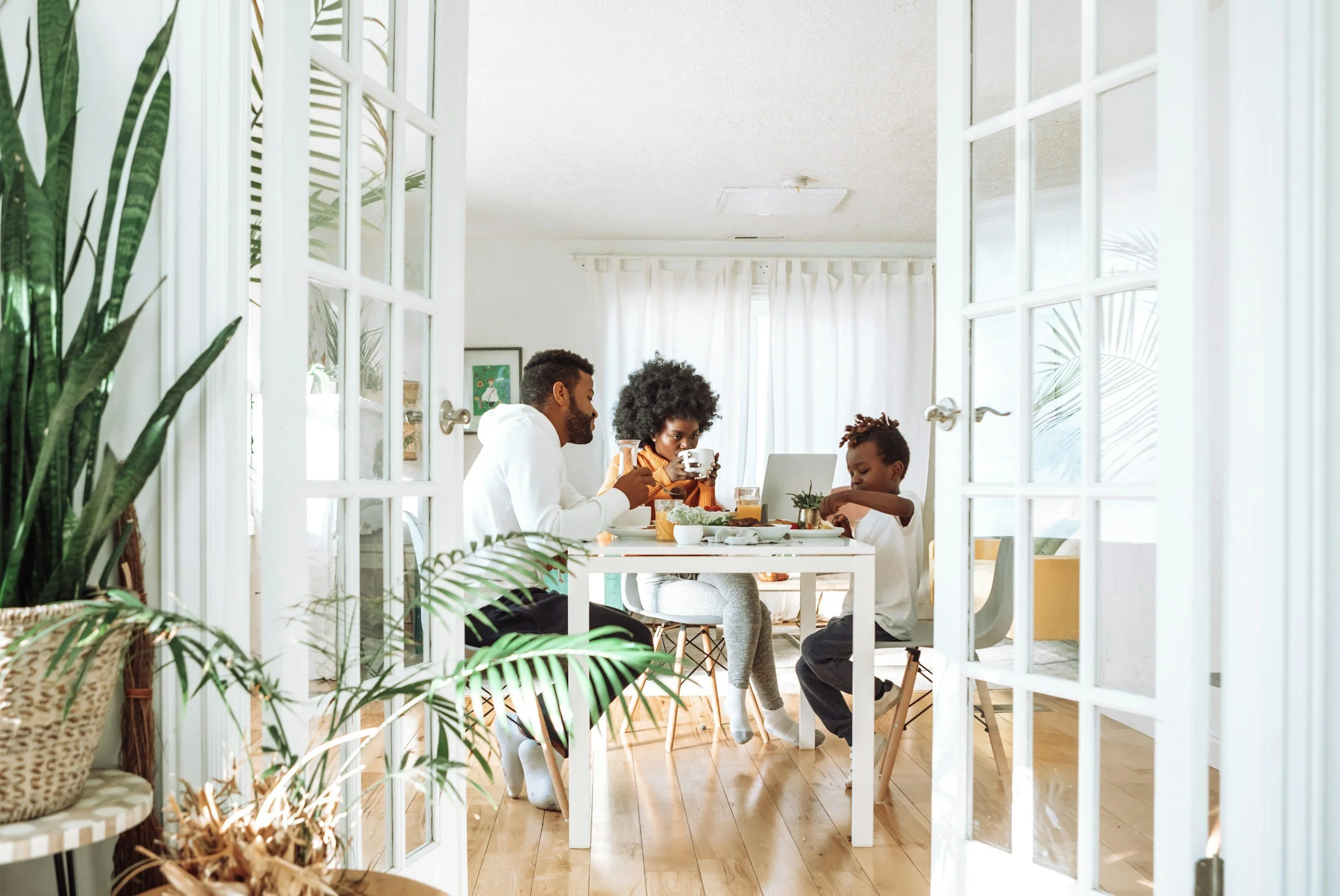
Dinner: Eating dinner as a family is one of the greatest predictors of success later in life. We encourage families to protect time to connect and eat together as often as possible.
-
It is recommended that young children receive 11 to 12 hours of sleep each night and older children 10 to 11 hours.
A regular bedtime that allows for adequate sleep is vital for a positive thriving school experience. What children receive at school and during their waking hours is taken into their sleep life and integrated deeply into their memory and being.
Screen Time
Parents who enroll their children at the Rooted Meadows School are encouraged to give the gift of a media-free childhood prior to grade 6.
-
One of the foundations of Waldorf education includes freeing the children from all forms of screen viewing. Technology is not to be considered “bad” or the enemy. We do not seek to create shame or taboo around screen-time in your home. In fact, when introduced at the right time and in the right way, it can be a powerful and useful tool. That being said, we would like you to be aligned with us in developmentally appropriate introduction and use of media.
Children are best prepared to use electronic media well when they have first built a strong foundation of real-world experiences: hands-on play, time in nature, face-to-face conversations, creative work, and active learning.
When children have this rich base of lived experience, technology can become a helpful supplement rather than a substitute. It works best as a tool that supports learning, not something that replaces direct engagement with the world.
-
During Grades 6, 7, and 8, it is appropriate for children to have a gradual and guided introduction to the applications and use of electronic media.
During these transition years, use and exposure to media should be very moderate, under clear parental guidance and participation, and work towards the social and educational climate of the class. Media exposure can be a socially divisive influence in these years so care and attention must be brought in guiding the use of media with great care and intention.
-
In High School it is appropriate for 15- to 19-year-olds to learn to critically approach and effectively use media.
The school recognizes the importance of media literacy, including educating children to understand the technological principles underlying (and the social transformations resulting from) electronic media, and seeks to meet this need through a curriculum that includes Internet research skills, the science behind new technologies, and the social consequences of the ongoing media revolution.
However, because excessive use of electronic media undermines teenagers’ living relationships to other people, the world around them, and themselves, parents should continue to monitor and limit their teenagers’ exposure to electronic media and maintain an open dialogue with their teenage children about the role of media in their lives.
Parents can monitor and limit child exposure to media by locating computers and video games in open areas of the home, and by maintaining a space of media-free quiet for the challenging and creative schoolwork of the High School, particularly during the school week.
Competitive Extra-Curriculars
Parents who enroll their children at the Rooted Meadows School are encouraged to protect their child from competition until 5th grade.
-
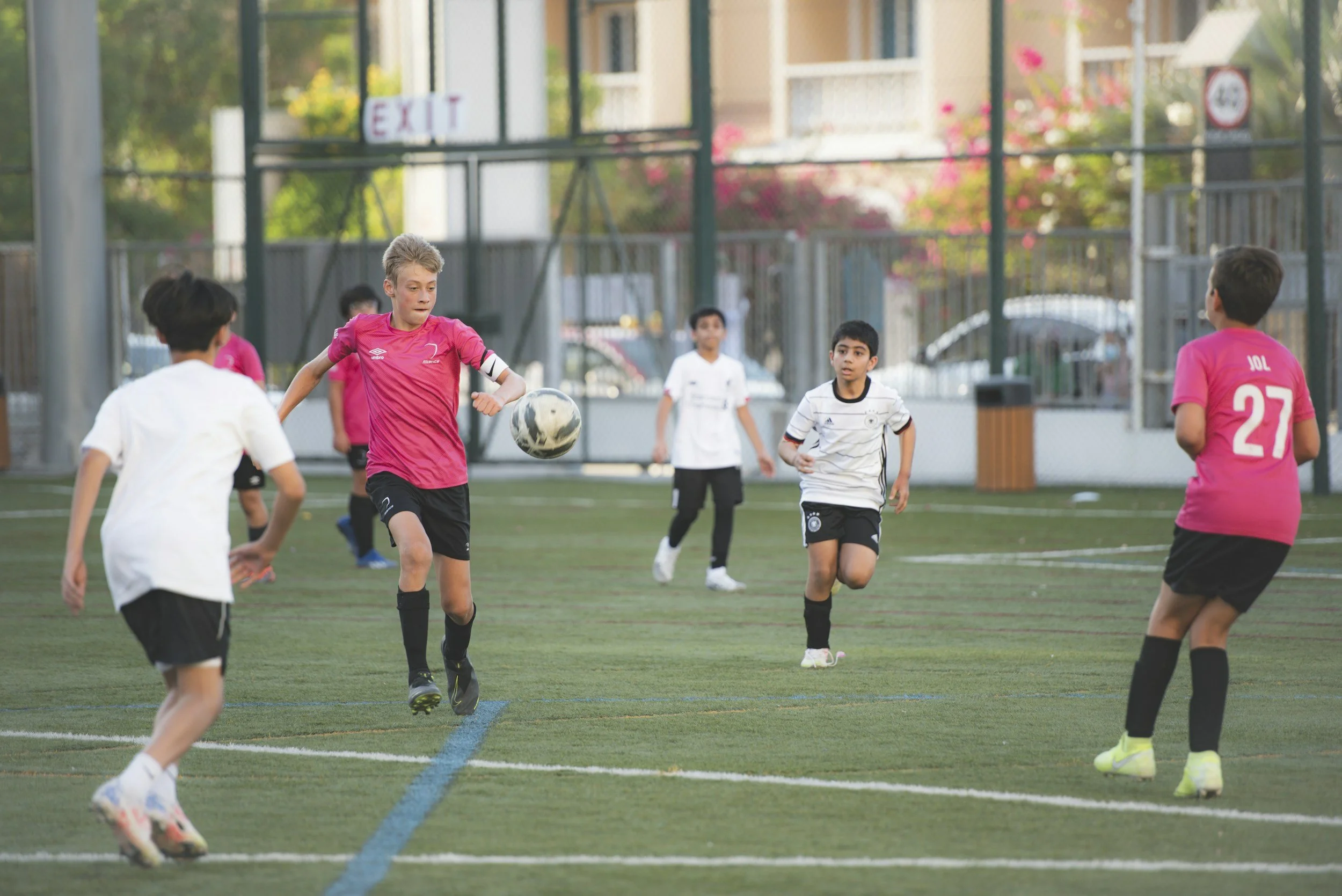
We do not recommend that children below fifth grade participate in competitive activities such as sports, music, dance, etc. especially with high pressure stakes or focuses. In the delicate years of early childhood, a child’s social world is highly receptive to whatever seeds we sow. When we introduce adult-driven competition too early, we risk "hardening" a child’s natural plasticity and desire for harmony.
Instead of looking at a peer and seeing a playmate, a premature focus on winning teaches them to see an obstacle. Competitive consciousness initiates a cycle of comparison and focusing only on the end product of the win. An attitude of “us-versus them” or “me-against-you” and a “loser vs winner” is contrary to the this crucial stage of development when children more often naturally engage in a “let us all play together” spirit and should be developing the needed cooperative, sharing, empathy, inclusion, and “noticing the needs of others” skills.
We recognize that each family makes their own decision regarding competitive sports for their children, and we are inviting families to consider what is developmentally appropriate.
Team-building games that still promote agility, strength, and coordination are fantastic and should be pursued in these younger years. Examples include:
Tag
Obstacle courses
Jump Rope
Hopscotch
Catch
Frisbee
-
In the younger grades, we encourage children to engage in self-initiated “pick-up” games during recess. These are games that arise naturally from the children themselves rather than being organized or directed by adults. While this may look simple on the surface, it is actually deeply important work.
When children create their own games, they are practicing essential life skills. They learn how to negotiate rules, solve disagreements, include others, adapt when plans change, and sustain imaginative play. They experience leadership and the important role of being a follower. They discover how to navigate fairness, frustration, and joy all in real time, with peers.
Adult-directed games certainly have their place, but when children are given space to organize themselves, they build confidence, creativity, and resilience. They learn not just what to play, but how to be together.
Why This Matters Developmentally
In early childhood and the lower grades, children are:
Developing social awareness and empathy
Learning flexible thinking
Strengthening communication skills
Building problem-solving abilities
Growing in physical coordination and body awareness
Open-ended, child-led play supports all of these areas in a way that structured activities often cannot.
-
Once Rooted Meadows Waldorf School is more fully established, competitive individual and team sports will be introduced in fifth grade and then more fully embraced in sixth, seventh, and eighth grades.
This timing is intentional and developmentally informed. In the earlier grades, the focus is on cooperative games, imaginative movement, and building strong foundational motor skills. As children approach the upper elementary years, they begin to experience a growing sense of individuality, physical strength, and interest in testing themselves. Around fifth grade, many students are developmentally ready to engage in healthy competition in a way that is both meaningful and constructive.
Competitive sports at this stage provide important opportunities for growth. Physically, students continue to refine coordination, endurance, agility, and overall strength. Socially and emotionally, they practice teamwork, perseverance, leadership, humility, and resilience. Learning to win graciously and to lose with dignity are powerful life lessons that extend far beyond the playing field.
Team sports also help students deepen their sense of belonging. Working toward a shared goal fosters cooperation, trust, and accountability. Individual sports, meanwhile, give students the chance to set personal goals, measure progress, and develop self-discipline.
In the middle school years especially, adolescents benefit from purposeful physical challenge. Competitive athletics can provide a healthy outlet for growing energy and intensity, while also strengthening bonds within the class community.
Our intention is not to emphasize winning above all else, but to cultivate sportsmanship, commitment, and joyful striving. Through thoughtful guidance and developmentally appropriate expectations, competitive sports become another meaningful way for students to grow physically, socially, and in character.