A Hybrid Approach: Stability Meets Community at Rooted Meadows
While many microschools focus solely on small class sizes, Rooted Meadows School is taking a step further by embracing a hybrid model; one that blends stability with community involvement in a way that feels both structured and dynamic.
At the heart of this model is a balance. Approximately half of the teaching staff consists of permanent educators, providing consistency, professional guidance, and a foundation rooted in time-tested Waldorf pedagogy. Drawing from educational practices that have endured for over a century, the school emphasizes rhythm, predictability, and a deep understanding of child development.
This stability matters. For children, knowing what to expect creates a sense of security. For parents, it offers confidence that their children are part of a thoughtfully designed and reliably implemented program.
At the same time, the school opens its doors to something equally valuable: the knowledge and participation of its own community.
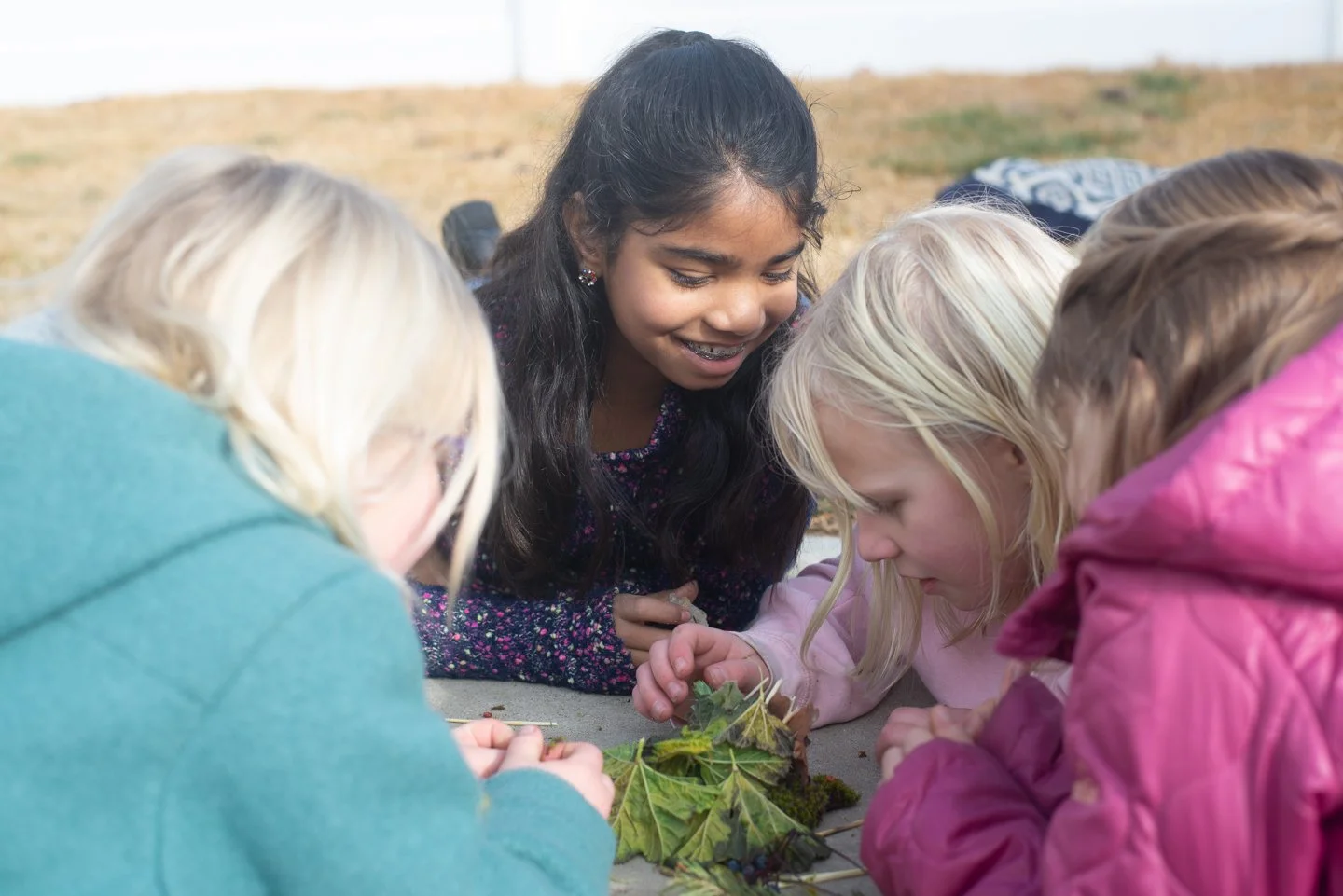
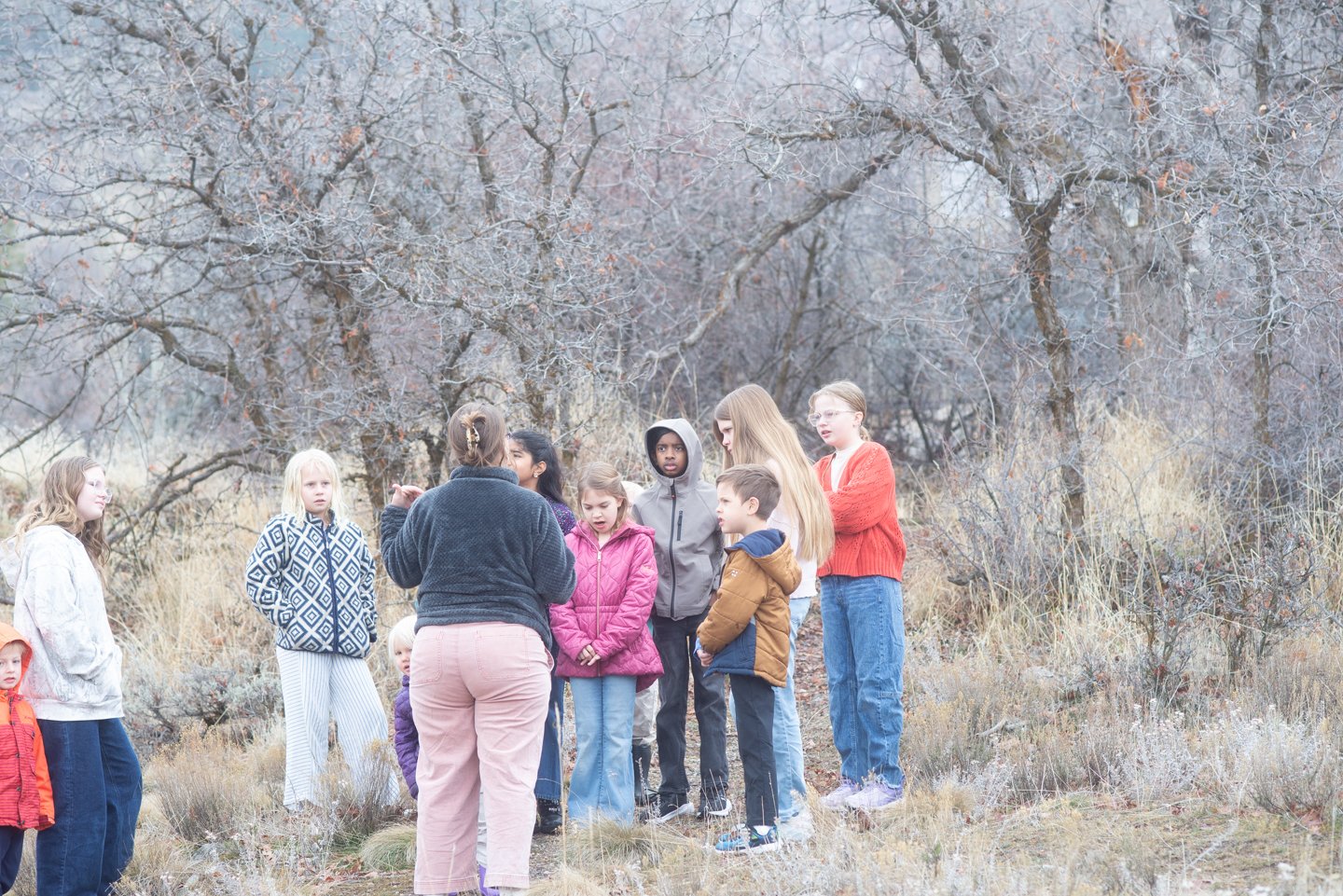
Parents and local contributors are invited to take part in rotational learning blocks, typically lasting four to six weeks. These experiences allow students to engage with a wide range of subjects and skills, often guided by individuals who bring real-world expertise and personal passion into the classroom.
On any given cycle, a student might learn gardening from a parent who tends a backyard farm, explore storytelling with a local writer, or engage in hands-on science with a community volunteer. These are not one-off events, but integrated parts of the educational experience.
Fridays, in particular, take on a different rhythm. They become a space for enrichment, where parents and community members offer extracurricular classes not only to enrolled students but also to homeschooled children in the area. The result is something that feels less like a traditional school day and more like a shared learning hub.
Beyond academics, families also contribute in tangible ways; helping maintain the school’s farm, assisting in classrooms, and supporting seasonal festivals. These shared efforts create a sense of ownership and connection that extends beyond the student experience.
The hybrid model is not without intention. It is designed to ensure that while students benefit from professional, consistent teaching, they are also exposed to a broader world of ideas, skills, and relationships.
In many ways, it reflects the very principle that has drawn families to Rooted Meadows in the first place: that education does not need to be bigger to be better. It needs to be meaningful, connected, and thoughtfully balanced.
Here, stability and spontaneity are not in conflict; they work together. And in that balance, a different kind of school begins to take shape; one that is not only rooted in strong foundations, but also alive with the energy of its community.